


For a variety of reasons that can vary wildly from one couple to another, natural conception through typical intercourse may not always be possible, or extremely/excessively difficult. There are options out there, like IVF through clinics, but costs are prohibitive, processes stringent and inflexible. Some of them partner with finance providers, however these offer daunting terms, making a difficult journey possible, sure, but also unnecessarily draining, and ultimately doubtful.
This kit completely changed our journey, with its user-friendly guide, and resulted in a pain-free, stress-free, seamless process. We achieved a positive outcome at the first attempt - literally could not recommend highly enough, thank you so much to the team for having come up with this solution!

A positive test makes our day! Were absolutely thrilled this kit worked for you. Wishing you a dreamy pregnancy and thank you for trusting Maiababy to support you on your journey.
Wow, blown away with this home insemination kit! Everything inside is super high quality and thoughtfully put together. The instructions were clear and easy to follow, even for a first-time user, which helped me feel confident and comfortable throughout the process. The design of the syringe and components felt gentle and intuitive and I didn’t experience any discomfort during use. What I loved most was how empowering and convenient this kit made the entire experience. It gave me a sense of control and confidence; I felt supported every step of the way. It’s evident that this product was created with real care and understanding of what women need and it’s design is so pretty too. Overall, this kit offers excellent value and peace of mind. I would highly recommend it to anyone considering at-home insemination…and in terms of the results, time will only tell.

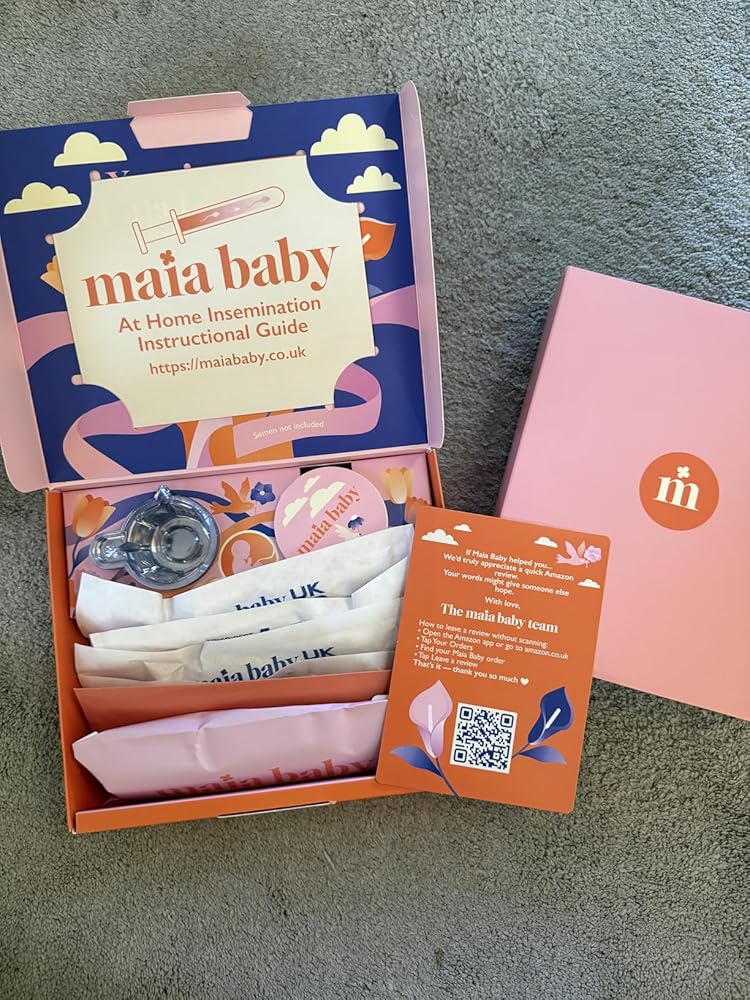

This is such a well thought out kit. You can really tell a lot of care has gone into putting it together.Everything you need is included, clearly explained, and easy to use, which makes the whole process feel far less overwhelming. The quality of the components is excellent, and the instructions are straightforward and reassuring.What I appreciate most is how much more convenient this is compared to constantly visiting fertility clinics. Being able to manage everything at home not only saves so much time and stress, but also a significant amount of money. It truly feels like an accessible, practical option for couples trying to conceive.I would absolutely recommend this kit to anyone looking for a reliable, convenient, and cost effective solution.
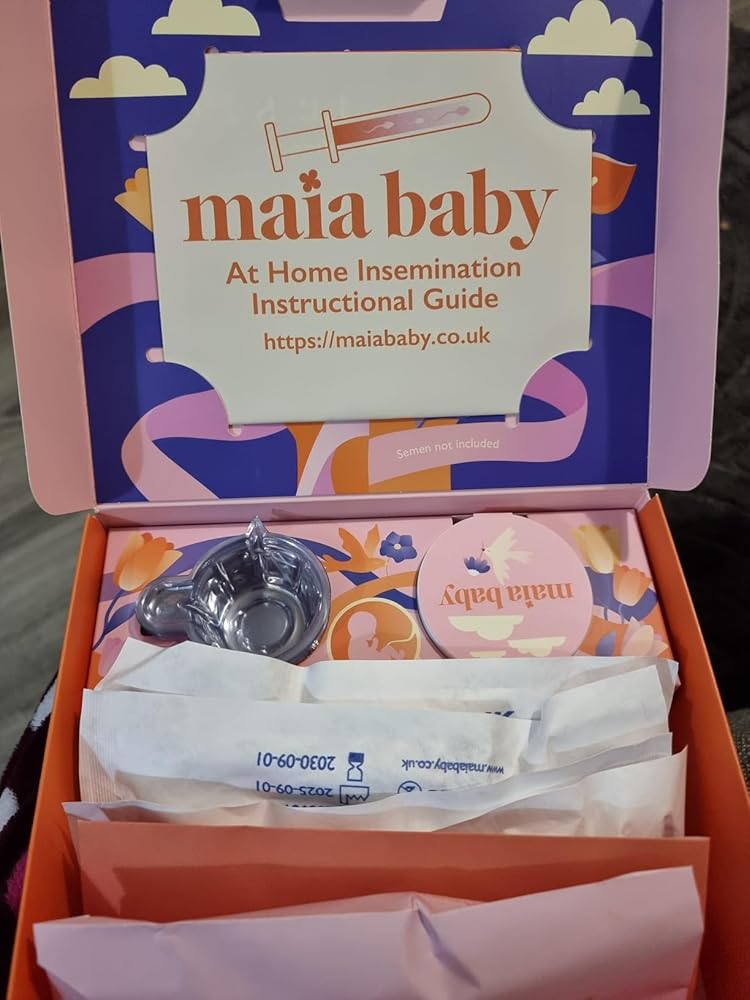
It worked for us ! I am turning 40 this year and I was worried about my biological clock. We tried this kit one cycle and we are 3 weeks pregnant.
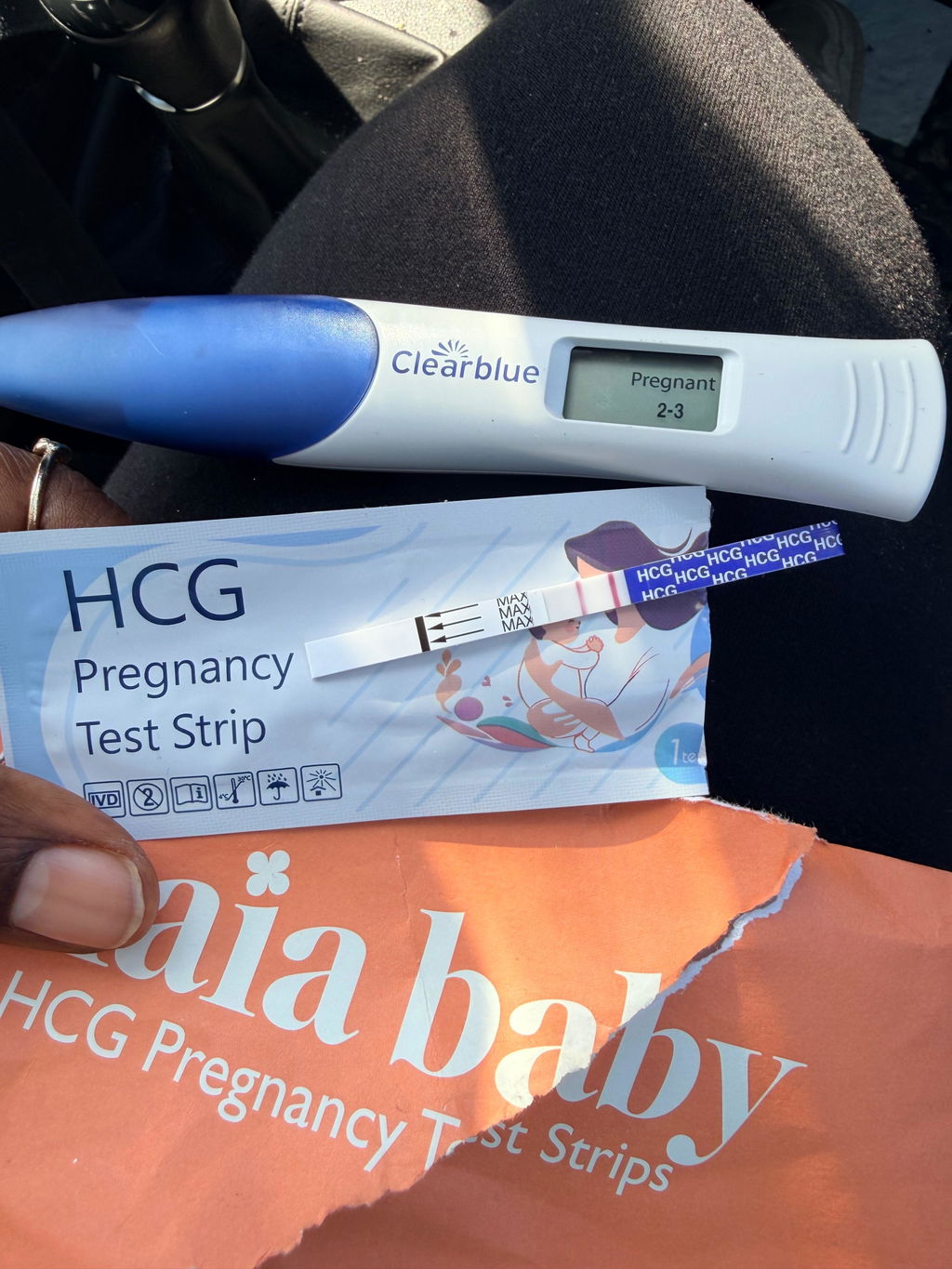
Thank you for your update and supporting our business, seeing results like this honestly makes me so joyful. . Huge congratulations and I wish you a wonderful pregnancy.
Sarah
This does work.
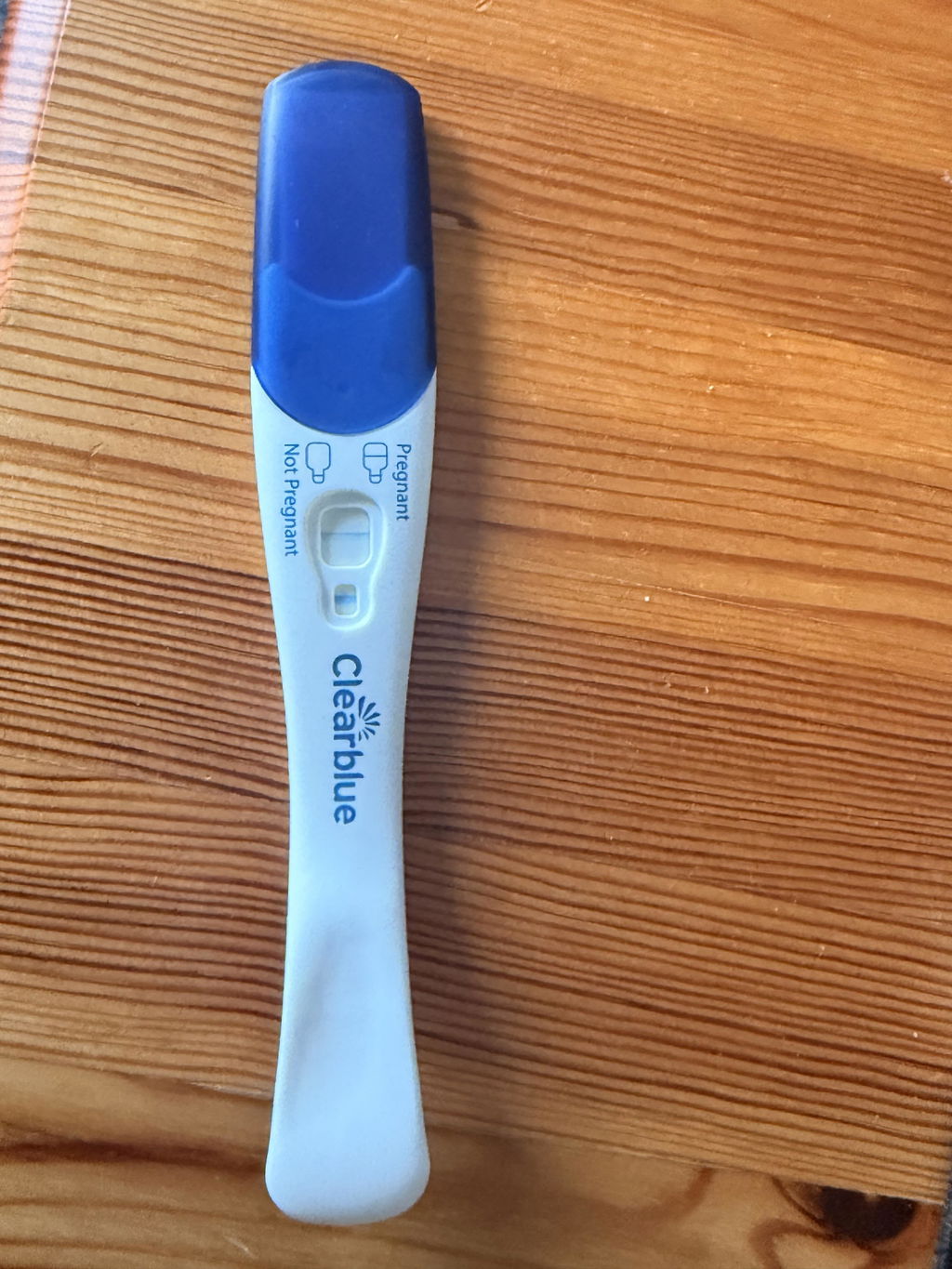
This is amazing to read, thank you so much for sharing this with us
Honestly, hearing this never gets old. We’re so, so happy for you.
Thank you for trusting us to be part of your journey, it truly means everything. Wishing you all the very best for what’s ahead.
Sarah x