

Artificial insemination can be a genuinely life-changing step, but one of the first real questions is always cost. Prices vary a lot depending on the type of treatment, whether donor sperm is involved, and whether you go through the NHS or private care, so we wanted to lay out the real numbers rather than the vague ones clinics tend to lead with.
Our Story
We had no idea how expensive and confusing fertility treatment could be until we were actually in it. The more we looked into artificial insemination, the more overwhelmed we felt. Every clinic quoted something different, and the advertised price rarely told the full story.
Some clinics quoted around £1,000 per cycle, but that didn't include monitoring, medication, or donor sperm. IVF came up almost immediately in consultations too, with prices starting from £5,000 per round, and that simply wasn't an option for us at the time.
When we couldn't find a simpler, honest starting point, we made one. If you're considering starting at home, this timing guide is a good first read.
For a broader look at fertility routes beyond what we cover here, Tommy's fertility treatment options guide and Fertility Network UK are both real, independent places to start.
What is artificial insemination (IUI)?
Intrauterine insemination (IUI) is a fertility treatment where sperm is placed directly into the uterus around the time of ovulation. It's commonly used for unexplained infertility, by solo parents, and by same-sex couples.
There are two related terms worth knowing:
- Intracervical insemination (ICI) - sperm is placed at the entrance to the cervix, and this is what home insemination kits actually do.
- Intrauterine insemination (IUI) - sperm is inserted directly into the uterus using a catheter, which needs a clinician.
Clinics offer IUI. ICI is what can be done safely at home with the right tools and guidance. For a clinical breakdown of how IUI actually works, the HFEA's treatment guide covers it well - they're the UK's actual fertility regulator, not a clinic with something to sell you.
How Much Does Artificial Insemination Cost in the UK?

Some clinics advertise IUI from around £1,000, but the real price is usually higher once medication, blood tests, scans, and sperm preparation are added in.
In practice, most people in the UK end up paying somewhere in these ranges:
- IUI with partner sperm: £750-£1,400 per cycle
- IUI with donor sperm: £1,000-£2,500 per cycle
- Donor sperm alone: £1,000+ per sample
Real Costs by Region: A County-by-County Breakdown
National ranges only tell you so much. Private IUI pricing genuinely varies by where you live in the UK, with London running roughly 20-30% higher than the Midlands and North. We've broken this down region by region, with every county named, though it's worth being upfront: there's no single published price list at county level, so these are reasoned bands based on the real, documented UK-wide range and London's well-documented premium, not separately published pricing for each individual county.

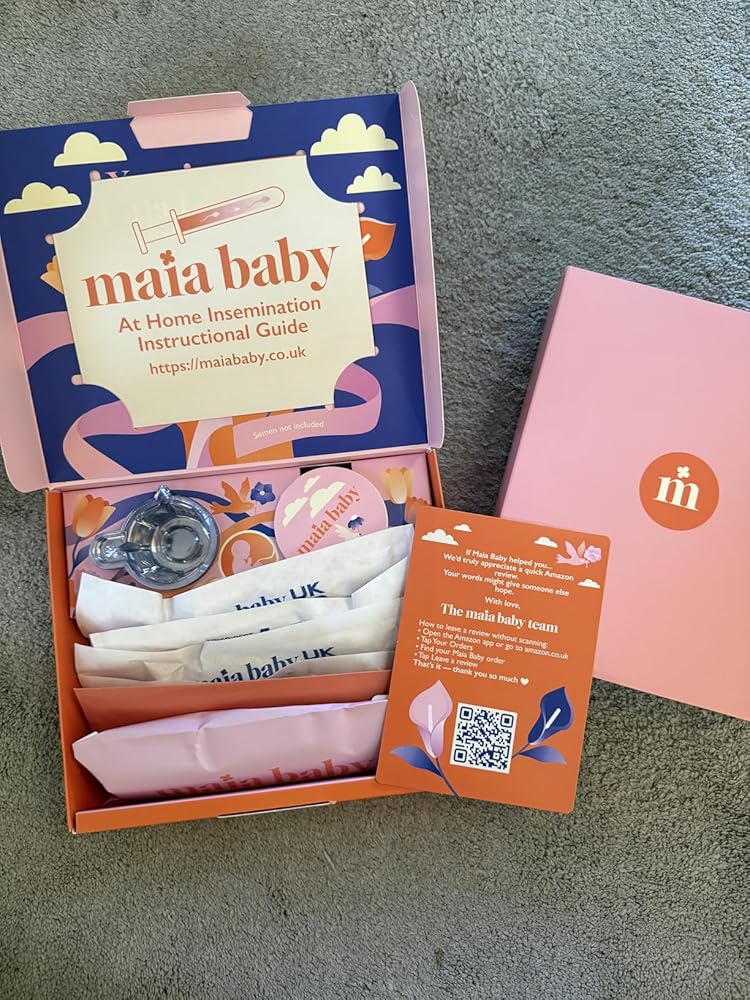
IVF runs upwards of £5,000 per cycle, and NHS-funded IUI is rare unless you meet fairly strict local criteria. At-home insemination, like the Maia Baby Kit, sits well below all of this - typically £90-£130 per cycle.
What's included in private IUI?

A single IUI cycle usually includes an initial consultation, cycle monitoring (scans), the insemination procedure itself, fertility medication if it's needed, and donor sperm if that applies. Added together, this regularly comes to £1,600-£3,000 or more - which is exactly why the advertised headline price rarely matches what people actually pay.
What does the NHS cover?

NHS-funded IUI is genuinely limited, and largely dependent on your age and postcode. Most people won't qualify without meeting strict criteria, and NHS fertility funding tends to focus more on IVF than IUI.
If you're under 40, you may be offered a fertility assessment, but many Integrated Care Boards (ICBs) require proof of several unsuccessful privately-funded IUI cycles first before IVF is even discussed. Over 40s are usually not eligible for NHS-funded IUI at all.
Because of this, a lot of people end up paying privately regardless of eligibility rules on paper. 🔗 Check your local NHS eligibility directly, and Care Fertility's free NHS postcode-based eligibility checker (a private clinic's own tool, not an independent body, but a genuinely useful quick check) can give you a rough answer before you book anything.
For the fuller picture of just how much this varies ICB to ICB, and what NICE actually recommends on paper versus what's funded in practice:

Why we didn't pursue IVF
We were surprised by how quickly IVF came up in our own consultations. It can offer higher success rates, but it also comes with real trade-offs:
- More invasive procedures
- Hormonal stimulation
- Egg retrieval under anaesthetic
- A real emotional and physical toll
- Significantly higher cost, often £5,000-£7,500+ per cycle
Clinics often present IVF as the most effective route first, but for a lot of people, especially with regular cycles or unexplained infertility, it's worth trying less invasive options before jumping straight there. NICE's current fertility treatment guidance lays out the clinical reasoning behind that order.
Why we created the Maia Baby Fertility Kit
We wanted a simpler, more affordable way to try insemination, without hormones, clinic appointments, or hidden fees stacking up.
So we built it.
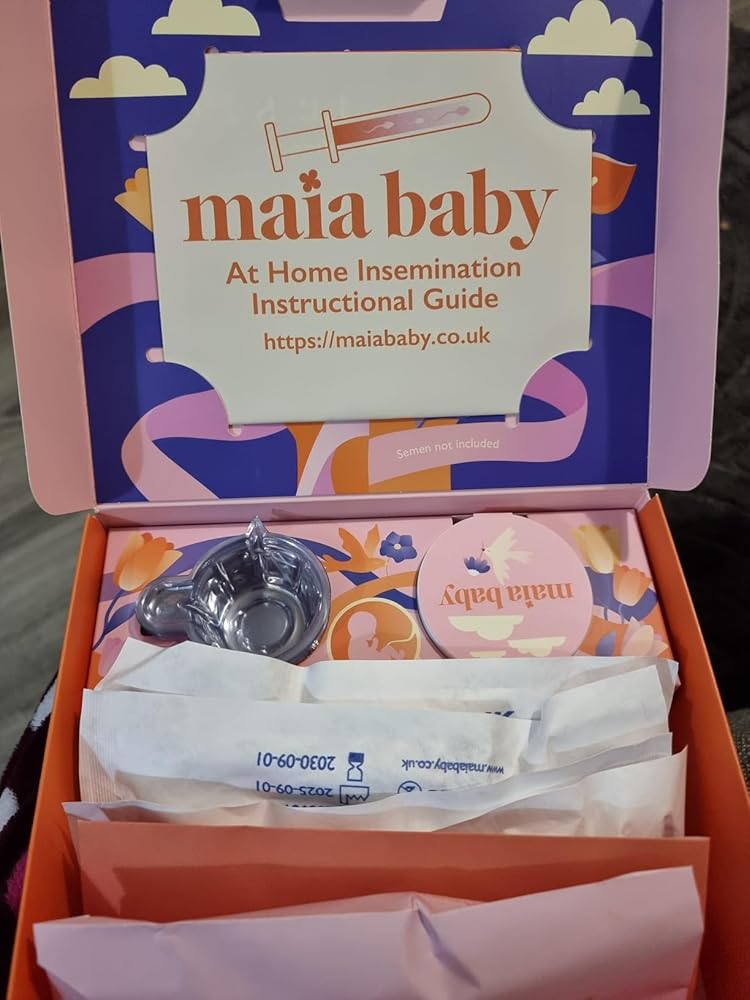
The Maia Baby Fertility Kit gives you:
- Medical-grade components
- Clear, easy-to-follow instructions
- No clinical visits or invasive procedures
- All for £90-£130 per cycle
It gave us a sense of control and calm we hadn't expected. For anyone just starting their TTC journey, it's the step we wish we'd had from the beginning.
IUI vs Maia Baby Kit

Compared to private IUI, the Maia Baby Kit is:
- Drastically more affordable
- Completely non-invasive
- Done in the comfort of your own home
- Built for early-stage TTC, not a clinical pathway
If your cycles are regular and you're not on strong fertility medication, our kit is a genuinely gentle, low-cost first step, not a replacement for clinical care if you need it.
Where your money actually goes
Private IUI pricing can feel deliberately unclear. Here's what actually makes up the full cost:
- Consultations and diagnostics
- Ultrasound and blood hormone monitoring
- Sperm preparation and lab processing
- Medications, if needed
- Donor sperm sourcing, if needed
- Follow-up visits and admin fees
We'd recommend asking for a full price sheet before starting, with written confirmation of exactly what's included. The British Fertility Society publishes real guidance on cost expectations and ethical clinic standards, worth a read before you sign anything.
Success rates: IUI, IVF, and home insemination

Success rates vary by method, age, and underlying health, so treat any single number as a rough guide, not a promise. IVF has the highest per-cycle success rate (broadly 30-40% under 35, dropping with age), but also the highest cost and complexity. IUI typically runs 10-20% per cycle. At-home ICI with the Maia Baby Kit averages around 10-15% with proper ovulation timing.
A real fertility educator walks through IUI cost, process, and success rates in more depth here, worth a watch before you commit to anything:
📖 For the real underlying data behind these numbers, the HFEA's key facts and statistics page is the actual source clinics themselves are supposed to be reporting to.
Frequently Asked Questions
How much does artificial insemination cost in the UK?
Artificial insemination in the UK typically costs between £750 and £2,500 per cycle privately, depending on the clinic and whether donor sperm is used. Medication, scans, and donor sperm can all add to the advertised price. At-home insemination, like the Maia Baby Kit, runs £90-£130 per cycle.
Is IUI free on the NHS?
It can be, but eligibility is genuinely limited and depends heavily on your age and where you live. Many people don't qualify and choose private treatment instead, sometimes after being asked to complete several private cycles first.
How much does donor sperm cost in the UK?
Donor sperm usually costs around £1,000 or more per sample, and this is typically a separate cost from the insemination procedure itself.
Is home insemination cheaper than clinic treatment?
Yes, significantly. Home insemination comes with fewer medical controls than a clinical setting, so it isn't the right fit for everyone, but for straightforward, early-stage TTC it's a genuinely lower-cost, lower-pressure starting point.
Why is artificial insemination so expensive in the UK?
Mostly medical staff time, laboratory work, monitoring, and medication. Donor sperm and repeated cycles add further cost on top of the base procedure.
Is artificial insemination cheaper than IVF?
Yes, by a wide margin. IUI typically runs £750-£2,500 per cycle, while IVF usually starts from £5,000 and climbs from there depending on what's needed.
How many cycles should I try?
Many people try 3-6 cycles of ICI before considering other options. Lying down for a short window after insemination may also help.
Summary
When we started this, we were genuinely shocked by how expensive and unclear the options were.
The Maia Baby Kit came directly out of that frustration. It isn't a replacement for IVF or medical supervision when you need it, but it is a credible, accessible first step for a lot of people.
We built it because we needed it ourselves. If you're looking for a low-pressure, affordable way to try insemination at home, without a £1,000+ clinic invoice before you've even started, we're glad it exists now.
Keep Reading: Helpful TTC Guides
Explore more ways to prepare, plan, and improve your chances, at home and on your own terms:
- Best Time to Get Pregnant: When to Inseminate for Conception
- Does Lying Down After Sex Help Conception?
📌 This article reflects our personal journey and research. Always consult a medical professional before beginning any treatment.