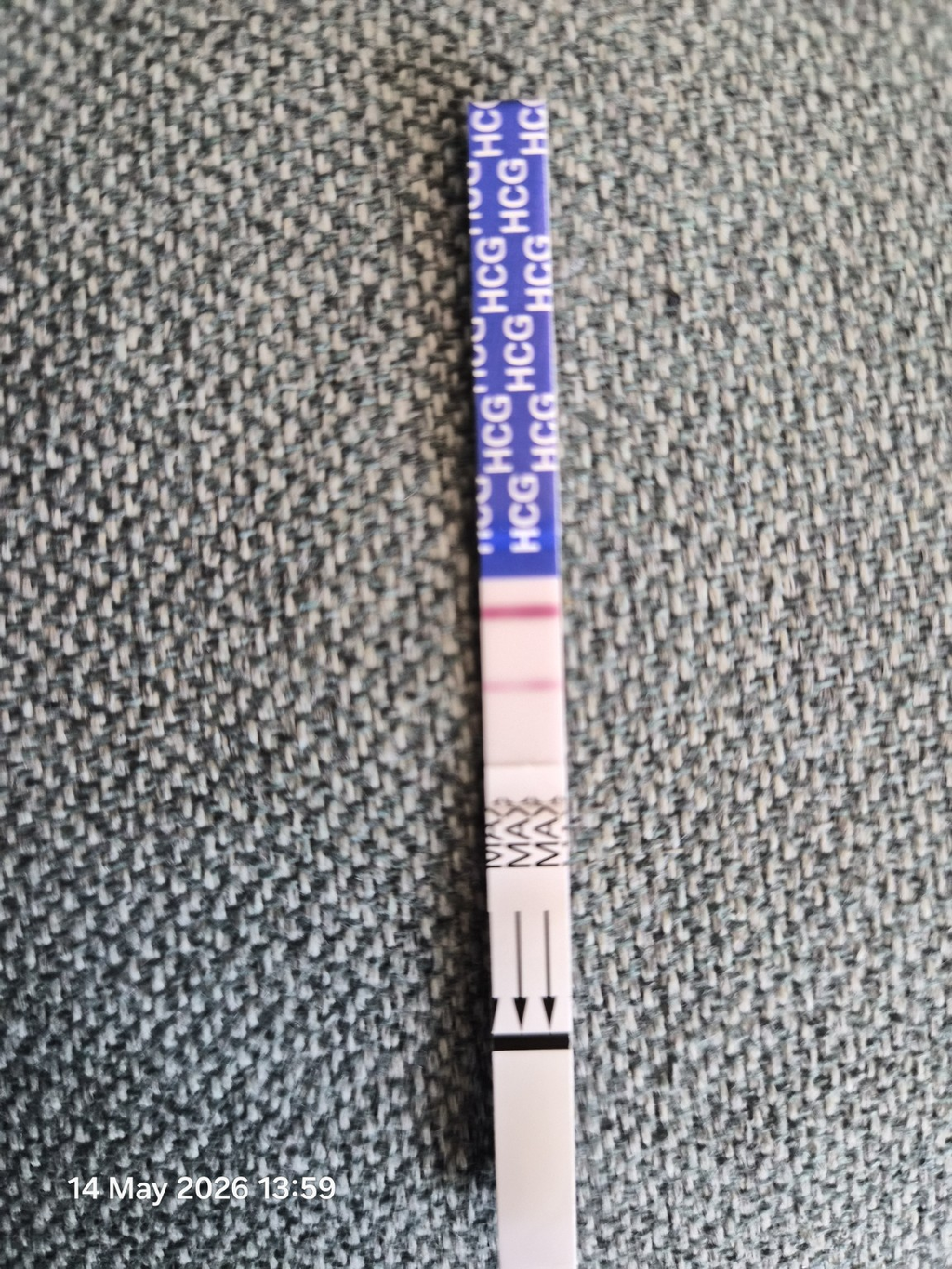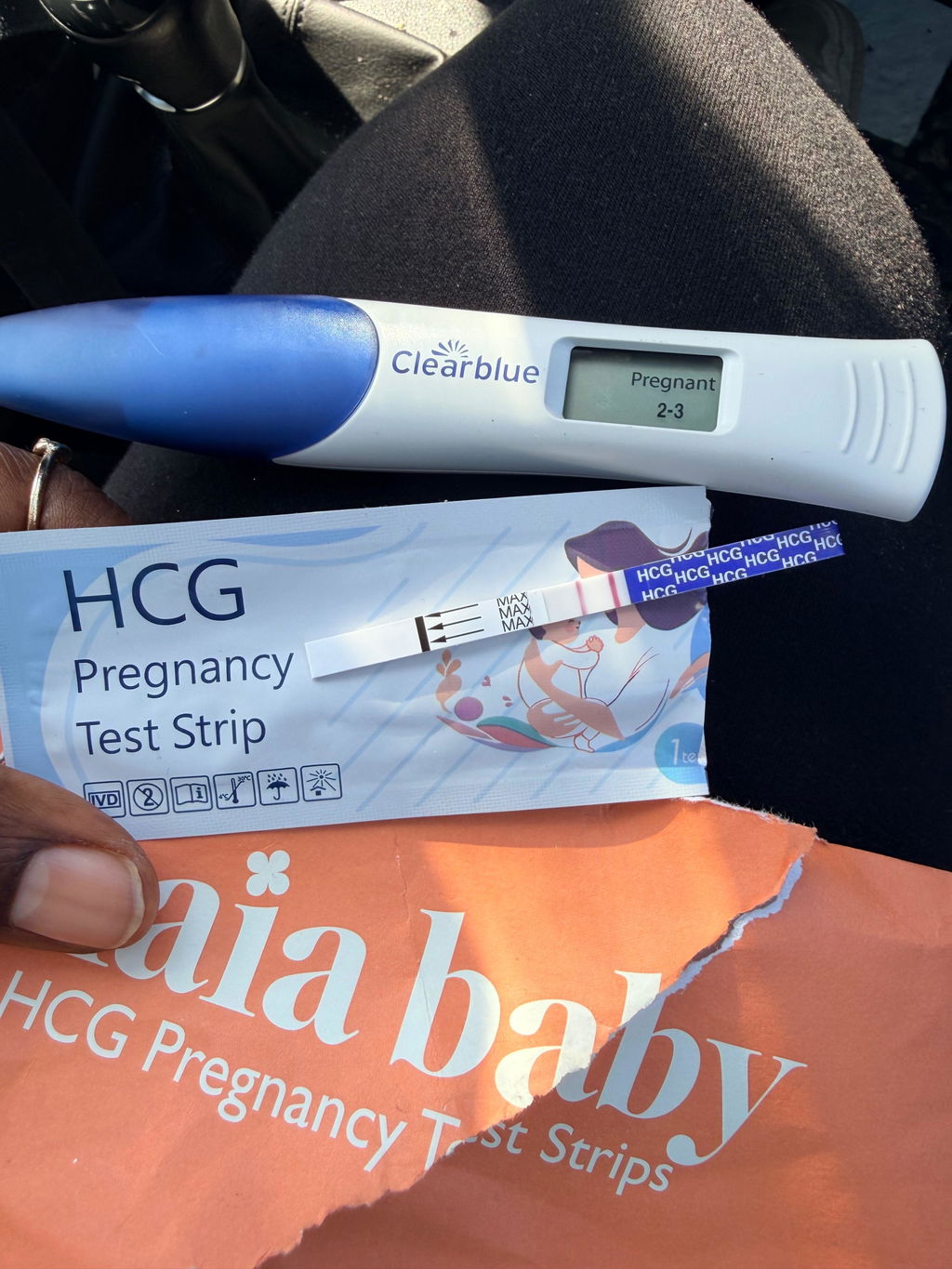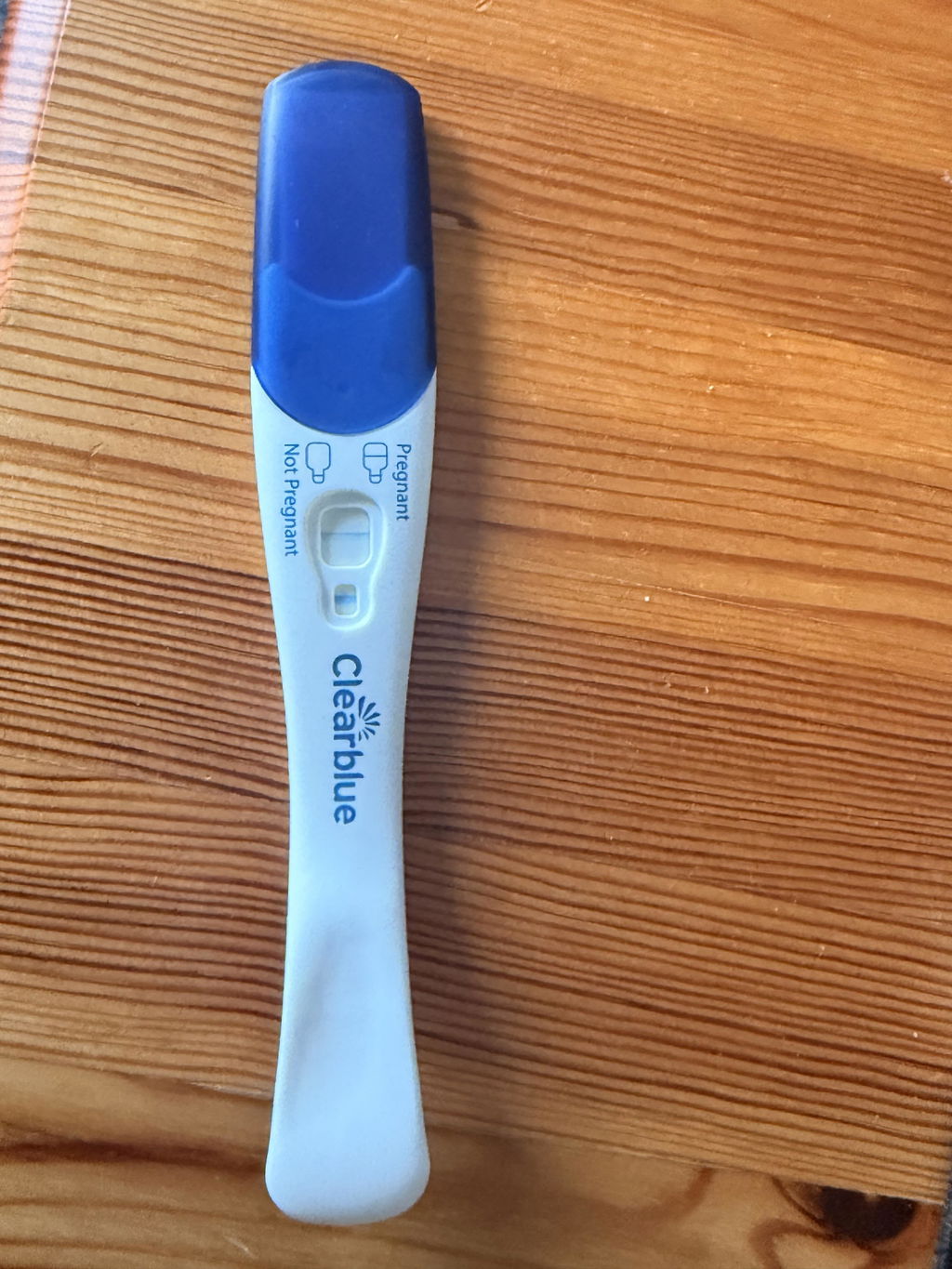


The two week wait (TWW) is the time between ovulation or insemination and when you can take a pregnancy test. During this period, the body may be preparing for implantation and early pregnancy, which is why some people begin noticing subtle two week wait symptoms.
If you’re trying to conceive, the “two-week wait” (TWW) can be one of the most anxious and emotional times in the fertility journey. The TWW is simply the luteal phase of your cycle – the time between ovulation and the day your period is due.
On average, this lasts about 14 daysclearblue.com, but it can range anywhere from about 10 to 17 day. During this window your body may begin the process of implantation and early pregnancy, but symptoms are usually very subtle (and often hard to distinguish from normal PMS).
Focus on relaxing and enjoying life: fertility experts even suggest indulging in something you enjoy (a short trip, a favourite meal or hobby) to help pass the time and lower stressmft.nhs.uk. Remember, you’ve already done what you can this cycle – timing intercourse or insemination – and now it’s up to your body.
Why You Have to Wait Before Taking a Pregnancy Test
Because it takes time for an embryo to travel and implant, you generally have to wait until your period is due to test reliably. After fertilisation, a fertilised egg usually reaches the uterus and embeds itself in the lining roughly 6–10 days later Flohealthuk & Clearblue.com.
Only then does it start producing the hormone hCG, which home pregnancy tests detect (hCG begins to appear in urine about 6 days after fertilisation nhs.uk). In short, if you test too early, the result may not be accurate. For now, try to trust the process and take care of yourself – you’ve done all you can for this month.

Coping with TWW anxiety
Feeling stressed or impatient during the TWW is completely normal, but try not to let it take over. Worrying won’t make a baby come any sooner, so focus on things you can control and be kind to yourself flo.health. Here are some tips to help you stay calm and healthy:
Keep up normal activities:
Go about your daily life as usual. There’s no need to “be extra careful” – in fact, moderate exercise like walking, gentle swimming or yoga can improve blood flow and reduce stress mft.nhs.uk flo.health. You don’t need to stop your regular workouts if you feel fine, but you can hold off on any very intense workouts just for now.
Eat well and hydrate:
Maintain a balanced diet and drink plenty of water. Eating nourishing foods and avoiding excess caffeine or alcohol can help you feel better physically and emotionally flo.health tommys.org.
Continue supplements:
Keep taking any prenatal vitamins or fertility supplements (such as folic acid) that your doctor recommended. These support early pregnancy health, and it’s safe to continue them during the wait.
Distract yourself:
Keep your mind busy with positive activities. Do something you enjoy – visit friends, watch a favourite movie, read a book or play games – anything that shifts your focus. Creative hobbies, puzzles or spending time outdoors can help you relax.
Lean on loved ones:
Share how you feel with your partner, friends or family. It can help to talk about your hopes or fears, or simply stay close with gentle intimacy. You don’t have to go through this alone. If you feel comfortable, express any disappointment together – supporting each other emotionally is important.
Adjust your schedule:
Decide what feels right for you. Some people prefer to rest at home, while others find a full work routine is a welcome distraction. If it would reduce your stress, consider taking a day or two off around the test date. (One fertility clinic leaflet even suggests giving yourself a mini-break during the final days of the cycle).
Try relaxation techniques:
Simple breathing exercises, meditation or listening to calm music can ease nerves. Many find that small “me-time” treats – like a warm (not too hot!) bath, a massage, or gentle yoga – help reset stress levels. Even a short walk in nature or quiet time with a pet can soothe anxiety.
Limit stress triggers:
If reading about other people’s fertility experiences or obsessively checking symptoms makes you anxious, give yourself permission to step away. Everyone’s journey is different, so try not to compare yourself or dwell on negative stories. You may find it helpful to mute or avoid fertility forums or social media that increase your worry.
Avoid excess:
Refrain from alcohol, smoking or recreational drugs during the TWW. “Don’t risk it,” as the experts advise, since you won’t know if you’ve conceived until your period arrives. Also avoid obsessing over every ache or emotion – this kind of “symptom-spotting” tends to increase anxiety, and stress isn’t helpful to pregnancy.
If you had an insemination (IUI or at-home ICI), you might notice some additional things: for example, some fluid or semen may leak out after the procedure, and that’s completely normal (it can even be a sign the sperm are working their way upwards). (Our blog post “Sperm Leakage After Insemination: What’s Normal?” covers this in detail.) Don’t feel you must lie still all day, either – you can move around and do gentle activities. The main advice is the same: focus on relaxing rather than stressing.
Common Two Week Wait Symptoms
-
breast tenderness
-
fatigue
-
mild cramping
-
bloating
-
mood changes
-
light spotting around implantation
During the TWW, you may notice symptoms like mild cramping, bloating, breast tenderness or mood swings. These changes are triggered by the same hormones whether or not you’re pregnant, so they often feel like typical pre-period signs. In fact, early pregnancy symptoms are usually indistinguishable from PMS.
Some women do have a tiny bit of light spotting when implantation happens (often called “implantation bleeding”), but many notice nothing at all. In any case, these symptoms alone can’t confirm pregnancy – they’re very common in any cycle.
The most reliable clue is still a missed period. Home pregnancy tests are most accurate on (or after) the day your period is due. If your period arrives, that means this cycle was not successful (as disappointing as that can feel). If it doesn’t come, that’s the first sign of a possible pregnancy. In the meantime, try not to test too early – if you test several days before your period, you risk a false negative because hCG may not be high enough yet.
If you do decide to take a test and see a very faint line, remember that even a faint positive line can indicate pregnancy. Read the test result promptly (don’t check it after the 10-minute mark) because colourless “evaporation” streaks can sometimes appear later. In doubt, wait a day or two and test again with first-morning urine – hCG roughly doubles every 48 hours, so a bit of extra time can turn a negative into a positive if you are pregnant. Our post “Pregnancy Test Confusion: Faint or Evap?” has more on interpreting those early results.
Two Week Wait Timeline
-
1–3 days past ovulation (DPO)
Fertilisation may occur if sperm meets the egg.
-
6–10 DPO
Implantation may begin when the fertilised egg attaches to the uterine lining.
-
8–12 DPO
Some people begin noticing early hormonal symptoms such as fatigue or breast tenderness.
-
12–14 DPO
Pregnancy tests become more accurate around the time of a missed period.
When to Take a Pregnancy Test
One of the hardest parts of the two-week wait is deciding when to take a pregnancy test. It’s completely natural to want answers as soon as possible, but testing too early can often lead to confusion or disappointment.
Pregnancy tests work by detecting the hormone hCG (human chorionic gonadotropin), which begins to be produced after implantation occurs. Implantation typically happens around 6–10 days after ovulation, and hCG levels then begin to rise in the body.
Because hCG takes time to build up, testing very early in the two-week wait can produce a false negative even if pregnancy has occurred. Most home pregnancy tests are most reliable from the day your period is due, when hCG levels are high enough to detect in urine.
Some highly sensitive tests may detect pregnancy a few days before a missed period, but results can vary depending on when implantation happened and how quickly your hCG levels rise.
If you do decide to test early and receive a negative result, it doesn’t necessarily mean you’re not pregnant. Waiting 48 hours and testing again can give a clearer answer, as hCG levels typically increase rapidly in early pregnancy.
If you’d like a deeper explanation of early testing, faint lines, and how hCG develops during the first days of pregnancy, you may find this guide helpful:
👉 Early hCG Signs & Testing Timing
Understanding how testing works can make the two-week wait feel slightly less uncertain - and help you choose the right moment to check for a result.
When the wait is over
If your test is positive, congratulations – you’re (most likely) pregnant! Stop trying to conceive this month and book an appointment with your doctor or midwife to confirm the pregnancy and start prenatal care. (At that point you’ll also tell them any medications you’ve been taking and ask about starting supplements like folic acid if you haven’t already.)
If it’s negative and your period still hasn’t started, you have a couple of options. You can wait a few more days and test again, since your LH surge or ovulation might have come a bit later than expected. However, if repeat tests remain negative and your period does start, then this cycle wasn’t successful. Take a deep breath: you can try again next month. Reflect on anything you might adjust (for example, see our guide “Best Time to Inseminate for Conception” if you want to double-check your timing for next month).
It helps to remember that conception often takes time. About 85% of couples conceive within a year of trying. If you’re under 35 and haven’t become pregnant after a year (or if you’re over 35 and it’s been about 6 months), consider seeking advice from your doctor or a fertility specialist. But for now, give yourself credit: you’ve been proactive and patient, and you’ve done everything you can this cycle.
Frequently Asked Questions about the Two Week Wait
How long is the two week wait?
The two week wait is the period between ovulation and your expected period or pregnancy test.
What symptoms happen during the two week wait?
Some people notice fatigue, breast tenderness, mild cramping or spotting, but these symptoms often overlap with PMS.
Can you feel implantation?
Some people notice light cramping or spotting during implantation, but many feel nothing.
Final thoughts
The two-week wait is tough, but remember you’re not alone in feeling anxious or hopeful right now. It’s understandable if everyday things feel a bit harder – you’re doing something important. Take deep breaths and be kind to yourself. Try to find small moments of joy each day, whether it’s watching a funny show, going for a walk, or talking to a friend about something completely unrelated. Every cycle is a chance, and you’ve already done so much by being proactive.
When it’s time to test, follow the instructions carefully. If a positive result appears, take the next step with appropriate care (for example, see NHS advice on continuing with a pregnancy or contact your GP). If it’s not the outcome you hoped for, allow yourself to feel disappointed – this is very common and it doesn’t mean something is wrong with you. You’ve already taken many positive steps – tracking your cycle, learning about your body, and making healthy choices – and all of these move you closer to success, regardless of today’s result.
Remember: if this cycle didn’t work out, it just means your journey continues. Each attempt offers a new chance, and you have the resilience to try again. You are doing everything you can, and Maia Baby is here to support you on every step of the way. Stay hopeful, keep informed, and know that many have walked this path before you and found success.
See also our articles “Best Time to Inseminate for Conception”, “Sperm Leakage After Insemination: What’s Normal?”, and “Pregnancy Test Confusion: Faint or Evap?” for more detailed guidance.)