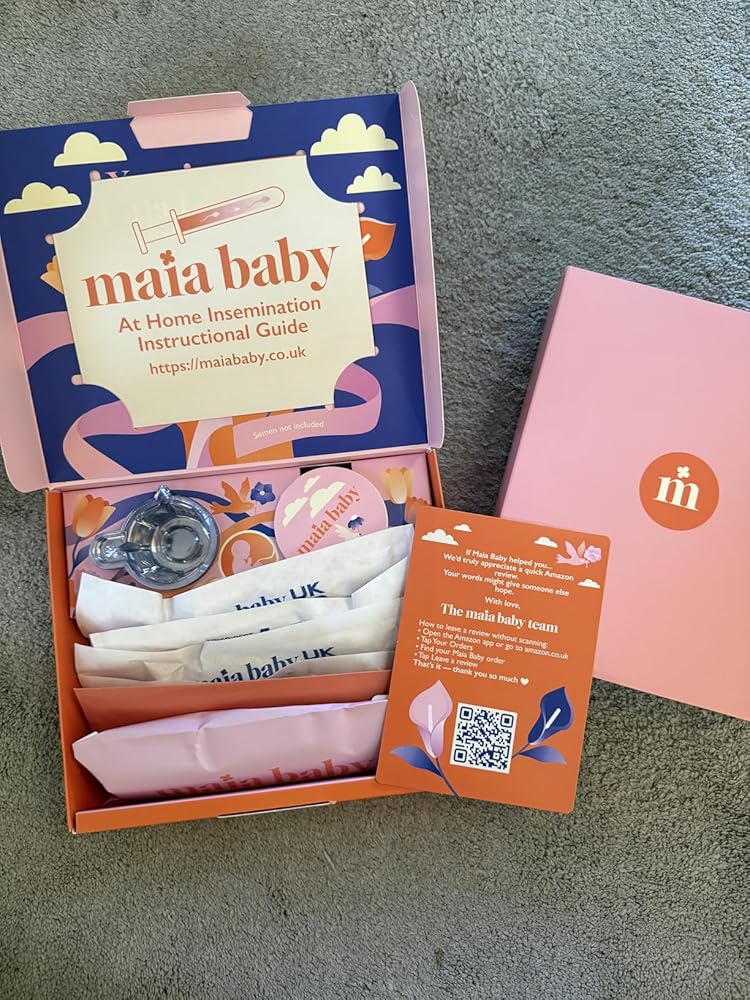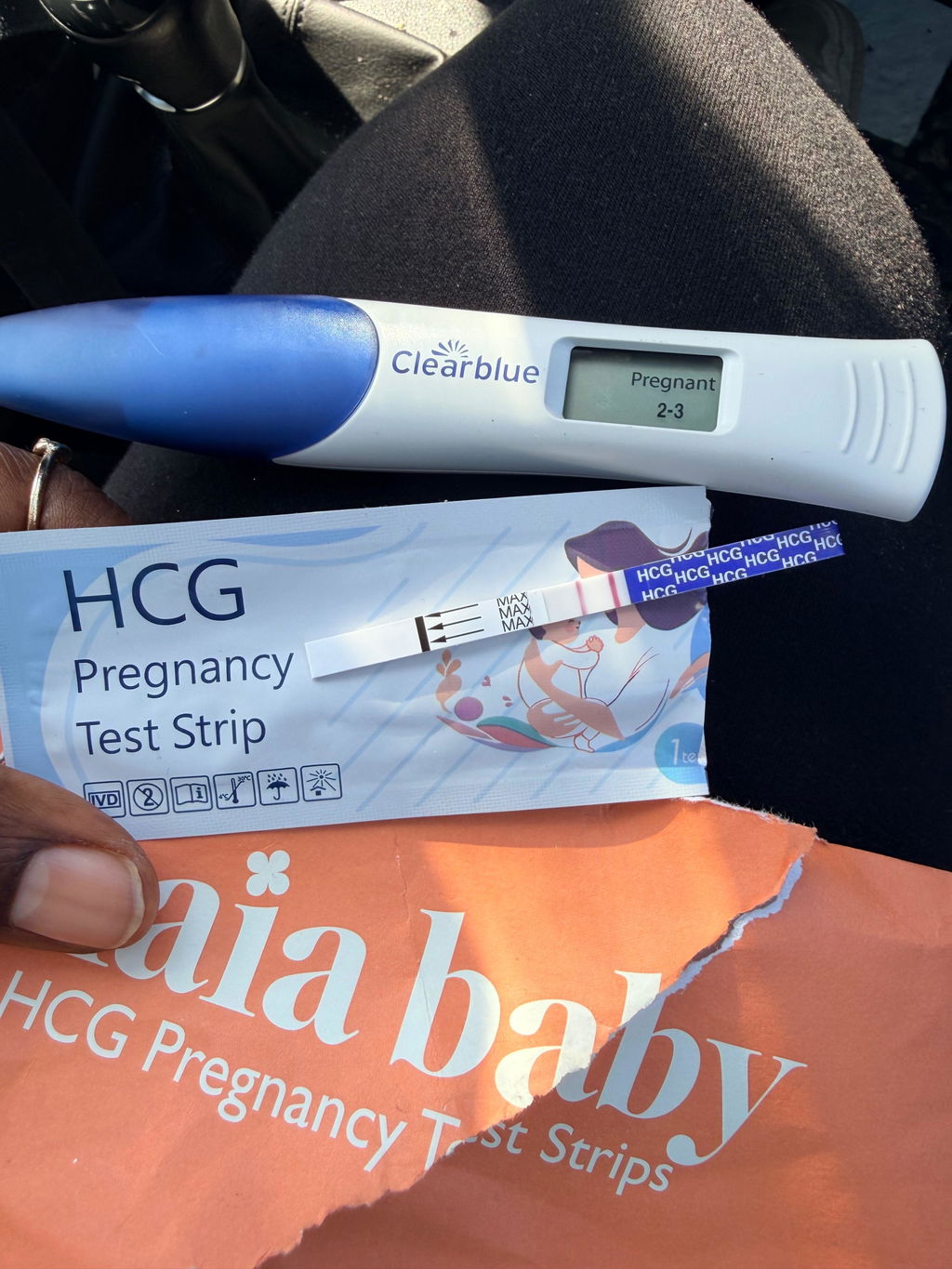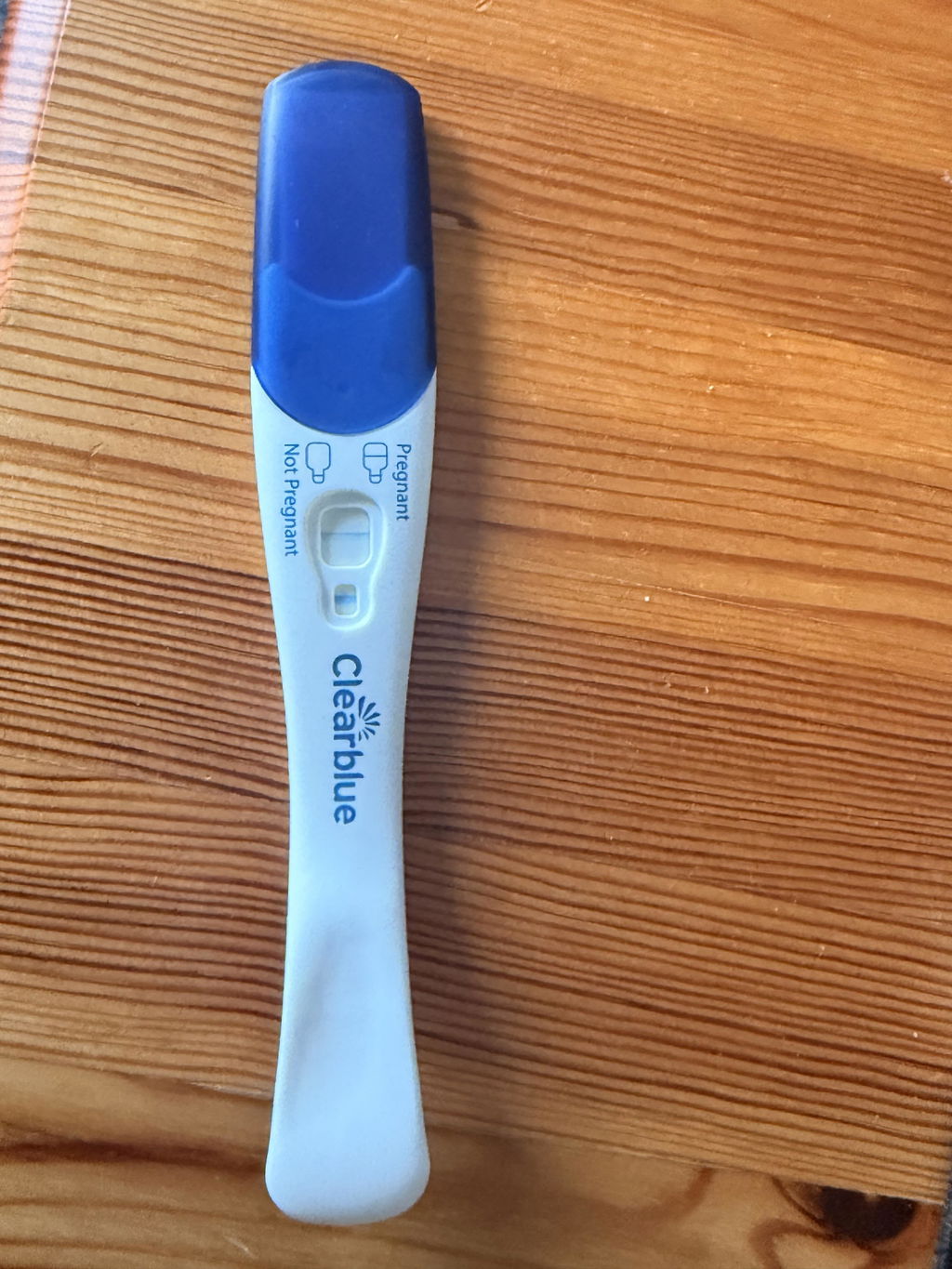


The most reliable time to take a pregnancy test after ovulation is around 14 days post-ovulation (DPO), which for most people lines up with the day their period is due. You can sometimes get an accurate result a little earlier, from around 10-12 DPO with a sensitive test, but testing any sooner genuinely does increase the chance of a false negative, even if you are pregnant.
👉 It's not about willpower. hCG simply isn't there to detect yet if you test too early.
I remember the two week wait being the strangest part of the whole process. Not painful, not really even that hard practically, just this odd stretch of time where nothing visible is happening and your brain fills the silence with theories. Understanding what's actually going on hormonally during that window made the waiting genuinely easier, so that's what this is: the real timeline, not just "test on day 14."
Why "When to Take a Pregnancy Test After Ovulation" Isn't a Fixed Number

Home pregnancy tests don't detect pregnancy directly. They detect a hormone called hCG (human chorionic gonadotropin), which your body only starts producing once a fertilised egg implants in the uterine lining, not at the moment of fertilisation itself.
That distinction matters more than it sounds like it should. Ovulation and fertilisation can happen within about 24 hours of each other, but implantation, the actual trigger for hCG production, usually happens somewhere between 6 and 10 days later. Some sources put the outer edge slightly later, around day 12. Until implantation happens, there's no hCG in your system for a test to find, regardless of how sensitive it is.
The Real Timeline: Ovulation to a Reliable Result
Here's roughly how it unfolds, day by day:
- 0 DPO: Ovulation. Fertilisation, if it happens, usually occurs within about 24 hours of this.
- 1-5 DPO: The fertilised egg travels toward the uterus. Nothing detectable is happening hormonally yet.
- 6-10 DPO: Implantation window. This is the actual trigger for hCG production, if it's going to happen this cycle.
- 8-11 DPO: hCG typically becomes detectable in a blood test, which is more sensitive than urine.
- 10-14 DPO: hCG usually becomes detectable in urine, the type of test you'd use at home, depending on the test's sensitivity and how quickly your own hCG is rising.
- 14 DPO (or the day your period is due): The most reliable window for a home urine test. By this point, most people who are pregnant will have enough hCG for a clear, dependable result.
Once hCG starts rising, it tends to rise quickly. hCG levels roughly double every 48 to 72 hours in early pregnancy, which is exactly why testing two or three days later than an ambiguous result often turns a faint line into a clear one.
The NHS is direct about this: "a positive test result is almost certainly correct," but a negative result is far less reliable, particularly if you've tested before your missed period.

Does Testing Timing Actually Change Accuracy?
Yes, genuinely. Testing too early is the single biggest reason for a false negative, meaning the test says "not pregnant" when you actually are.
It wasn't about the test being wrong, it was about testing before there was anything for it to find.
A few things influence exactly when hCG becomes detectable for you specifically (a tracking kit can help pin down ovulation more precisely in the first place, which narrows a lot of this uncertainty down):
- When implantation actually happened. Earlier implantation means earlier detectable hCG, and this genuinely varies between people and even between cycles for the same person.
- Your test's sensitivity. Tests are rated in mIU/mL, the concentration of hCG they can detect. A test sensitive to 10 mIU/mL will pick up a pregnancy earlier than one that needs 25 mIU/mL. It's worth checking the packaging.
- How diluted your urine is. Clearblue's own guidance recommends first morning urine if you are testing early, because it's the most concentrated, and advises against drinking a lot of fluid beforehand, which can dilute hCG enough to mask an early positive. (The NHS says you can test at any time of day.)
- Your actual ovulation date. If you ovulated later than you thought (which is common, especially with irregular cycles), your real DPO count is lower than your calendar suggests, and testing will naturally need to wait longer too.
How to Get the Most Accurate Result
A few practical habits genuinely improve your odds of a clear, trustworthy result:
- Use first morning urine. It's the most concentrated urine of the day, giving hCG the best chance of showing up if it's present.
- Avoid drinking a lot of fluid beforehand. Diluted urine can produce a false negative even when hCG is technically present.
- Read the result within the test's stated window, usually 5 to 10 minutes. A line that appears well after this window (an evaporation line) doesn't count and can be misleading.
- Check the test's sensitivity on the packaging. A lower mIU/mL number means it can detect pregnancy earlier.
- If in doubt, wait 48 hours and retest. Given how quickly hCG doubles, a genuinely faint or ambiguous line often resolves itself within a couple of days.
Early Signs Some People Notice Before Testing
Some people notice subtle physical changes even before a test turns positive, though it's worth being honest that these overlap heavily with normal premenstrual symptoms and aren't reliable on their own:
- Mild cramping or light spotting, sometimes linked to implantation
- Breast tenderness or fullness
- A heightened sense of smell
- Feeling unusually tired or more emotional than normal
- Mild nausea
None of these confirm anything either way. They're worth noting, but a test is still the only real way to know -- our two week wait symptoms guide and our implantation bleeding guide both go deeper on this exact stretch of time.
Reading Your Result Correctly
Most home urine tests are qualitative, meaning they give you a yes/no answer rather than a number:
- One line (control only): Not pregnant, or not enough hCG detected yet
- Two lines, even if one is faint: Likely pregnant. A faint positive is still a positive; hCG concentration, not line darkness, is what a test technically detects
- No lines at all, or only a test line with no control line: Invalid result, worth retesting with a new test
If you're unsure whether a faint line is a genuine early positive or an evaporation line, our guide on evaporation lines versus faint positives walks through how to tell the difference.
What If You Get a Negative Result?
A negative result before your missed period doesn't necessarily mean you're not pregnant, it might just mean it's too early. If your period doesn't arrive within a week of an early negative, it's worth testing again.
A few honest possibilities if a negative doesn't match what you're experiencing:
- You tested too early, before hCG reached a detectable level
- You ovulated later than expected, so your real DPO count is lower than you think
- The urine was diluted, masking a true positive
- The test was faulty or past its expiry date
If your period still hasn't arrived after a week of repeated negative tests, it's a reasonable point to speak to your GP.
A Note on Chemical Pregnancies
It's worth knowing this exists, because it can be confusing and upsetting if it happens without warning: a chemical pregnancy is a very early miscarriage, one that occurs so early it often only shows up as a positive test followed by a period arriving close to on time, sometimes just a few days late.
They're sadly fairly common, and current understanding is that they don't usually affect future fertility. Tommy's has real, dedicated support and information on chemical pregnancy if this happens to you, and it's completely reasonable to want to talk it through with a GP too, both medically and for your own peace of mind.
FAQ: Taking a Pregnancy Test After Ovulation

How many days after ovulation should I take a pregnancy test?
14 days post-ovulation, or the day your period is due, gives the most reliable result. Testing from around 10-12 DPO with a sensitive test can work, but carries a real risk of a false negative if implantation happened later than average.
Can I take a pregnancy test 7 days after ovulation?
It's very unlikely to be accurate. Implantation itself often hasn't happened yet at 7 DPO, so there may be no hCG in your system at all for a test to detect.
How long does it take for hCG to show up in urine?
Usually somewhere between 10 and 14 days post-ovulation, though this depends on when implantation happened and how sensitive your specific test is.
Is 3 weeks and 3 days too early for a pregnancy test?
If you're counting from your last period rather than from ovulation, this is usually well past the point where a test would be reliable, assuming a fairly typical cycle length. If your cycles are irregular, counting from ovulation (if you know it) is more accurate than counting from your last period.
Why did I get a negative test but still haven't had my period?
Testing too early is the most common reason. Later ovulation than expected, diluted urine, and test sensitivity all play a role too. If a week passes with no period and repeated negative tests, it's worth speaking to a GP.
Can stress delay a positive pregnancy test result?
Not directly. Stress doesn't change how quickly hCG rises once implantation has happened, but it can delay ovulation itself in some cycles, which shifts your entire timeline later without you necessarily realising it.
What's the earliest a pregnancy test could ever show positive?
Technically, as early as 8-10 DPO for some people using a very sensitive test, if implantation happened on the earlier side. This isn't the norm though, and a negative result at this stage genuinely doesn't rule anything out.
The two week wait is one of those stretches that's hard to describe to someone who hasn't been through it. It's not painful, but it's genuinely a strange kind of waiting, half hope and half bracing yourself, often at the same time. Understanding the real biology behind the timing didn't make the wait shorter, but it did make it feel a little less like guessing and a little more like something we actually understood, together.