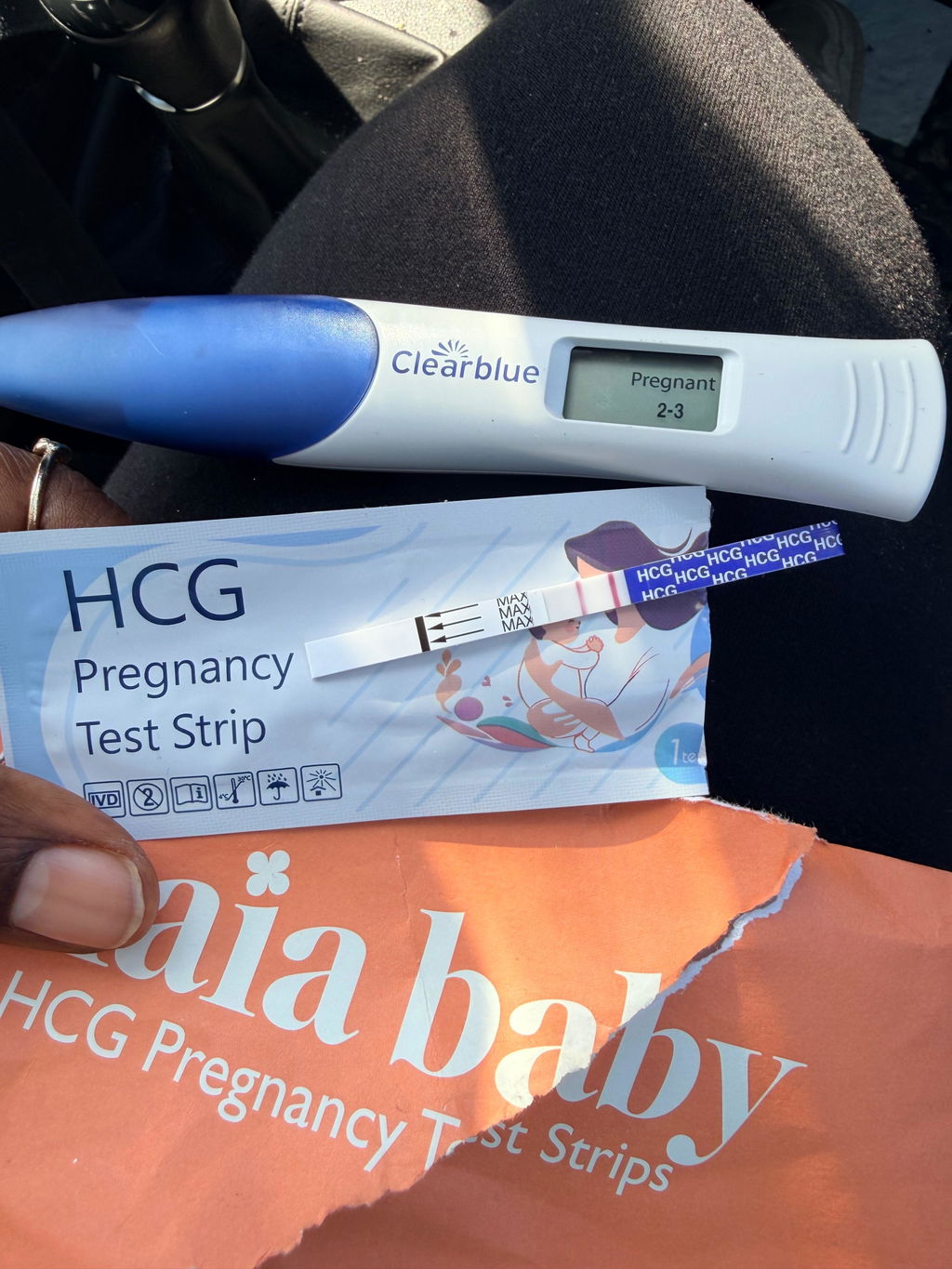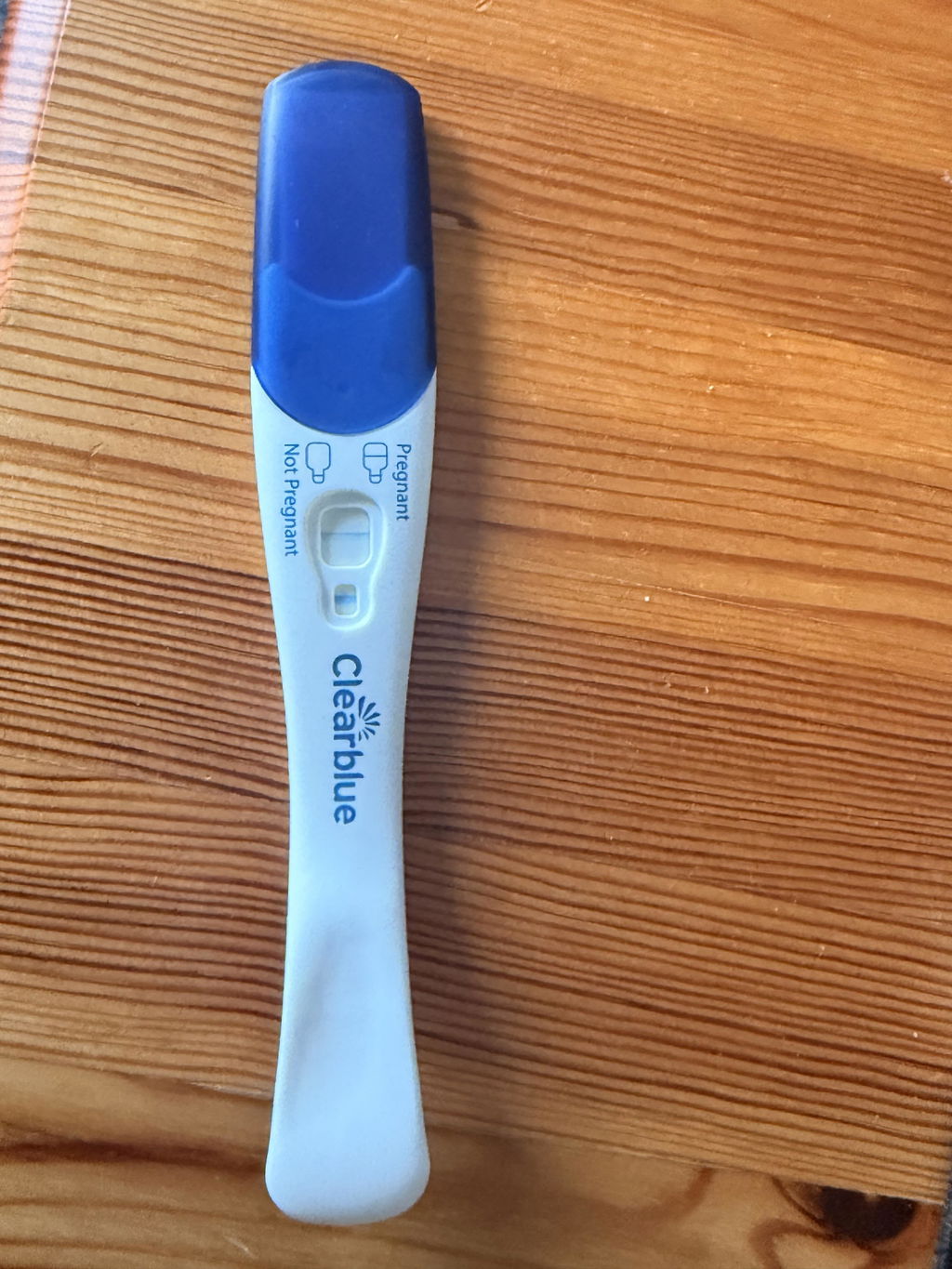


The real symptoms of ovulation are things your body is already showing you. I didn't know that for a long time. I just didn't know where to look.
I didn't know my own ovulation window. Not roughly, not really at all. I knew ovulation happened somewhere in the middle of a cycle, and that was about it.
I Didn't Know My Own Ovulation Window
I wasn't aware of the tiny ovulation window, and I wasn't aware exactly where that fell personally for me. Not a vague sense of it, genuinely no idea.
Doing the ovulation test strips changed that. I realised exactly what point in my cycle I was going to ovulate, and from there I could actually time things properly. But before that, I wasn't aware of the actual window at all, or where it fell.
👉 I'd been treating my cycle like one number on a calendar, when it was actually telling me a lot more than that.
What My Cervical Mucus Actually Told Me
This one felt a bit odd to pay attention to at first. NHS material on ovulation actually recommends tracking your vaginal discharge day to day, alongside body temperature, as a real way to work out where you are in your cycle.
Once I started actually checking rather than ignoring it, the pattern was fairly clear:
- Most of the month, not much to notice, or something thicker.
- In the run-up to ovulation, it turned clearer, wetter and stretchy, closest thing I can compare it to is raw egg white.
- After ovulation, back to thicker and less obvious again.
That stretchy phase was a genuinely useful marker, some months more useful than the test strips themselves.
I found it a lot easier to actually notice once I'd seen someone properly explain what to look for, rather than guessing from a written description. Dr Natalie Crawford, a board-certified OBGYN and fertility specialist, walks through exactly this on her channel, what's actually normal, what it means hormonally, and how it changes across a real cycle.
The Ovulation Pain I Nearly Ignored
A dull ache on one side, low down. I nearly didn't mention it to anyone the first time.
Turns out that's a real, recognised thing. The NHS page on ovulation pain describes it as only affecting one side at a time, switching sides depending on which ovary released an egg that month, lasting anywhere from a few minutes to one or two days.
Mine was mild, more of a twinge than a pain, painkillers were never really needed. Worth knowing the NHS guidance is clear you should see a GP if it doesn't settle with painkillers or keeps coming back badly.
Once I knew to actually notice it, it stopped being a random ache and started being useful information.
Ovulation Pain or Period Pain? Working Out Which Was Which
The first few times, I genuinely couldn't tell the two apart. Both are a dull ache low down, both come and go, and for a while I just filed anything uncomfortable under "period stuff" without thinking much harder about it.
The real difference, once I paid attention, was timing and pattern. Ovulation pain shows up roughly midway through the cycle, well before a period is due, and it's one-sided, only ever one side at a time. Period pain is different, it tends to sit centrally or across the whole lower abdomen, arrives with or just before bleeding, and for a lot of people it's crampier rather than a single sharp or dull point.
Once I actually mapped mine against a calendar for a couple of cycles, the pattern was obvious. The ache roughly two weeks before my period, always one side, was ovulation. Anything centred and turning up alongside actual bleeding was just a period doing what periods do.
The Quieter Symptoms of Ovulation Nobody Really Explained
Cervical mucus and ovulation pain get most of the attention, fairly enough. A few other things are worth naming honestly.
- Body temperature. A slight rise, only really picked up with a proper basal thermometer first thing before getting up. I tried this for a couple of months and, I'll be honest, found it more fiddly than useful. It confirms ovulation after the fact rather than predicting it, which matters if timing is the whole point.
- Breast tenderness. On and off, and weak as a standalone sign, it overlaps with plenty of other points in the cycle. Combined with everything else it added up.
- A slight shift in mood or energy. Genuinely hard to separate from just having a normal week, so I never leaned on this one much.
- A change in sex drive. Commonly reported around ovulation, though it's a soft, subjective sign rather than something you can point to. I noticed it some months and not others, so I never counted on it alone.
- A sharper sense of smell. Sounds strange written down, but it's a genuinely reported pattern, and it was real for me, food smelled stronger for a couple of days mid-cycle, nothing dramatic, just noticeable in hindsight.
None of these work alone. Together with the mucus changes and the ovulation pain, they stopped feeling random and started feeling like a pattern I actually recognised.

Where Ovulation Test Strips Actually Fit In
I used ovulation test strips alongside all of this, not instead of it. They pick up a hormone surge that happens in the run-up to ovulation, and a positive result is a genuinely useful heads-up.
What nobody explained to me at the start is that a positive test means ovulation is coming soon, not that it's already happened. I treated an early positive as the starting gun, not the finish line, combined with whatever my body was already telling me that week.
Some months the test and the physical signs lined up within a day of each other. Other months they didn't quite agree, and when that happened I trusted the pattern building over several days more than one single test line.
A few real mistakes I made early on, worth naming so you don't repeat them:
- Testing at a random time of day. LH concentrates in urine, and mine seemed to show up most reliably testing mid-afternoon rather than first thing in the morning. Picking one time and sticking to it mattered more than which time.
- Drinking too much water beforehand. A diluted sample can hide a real surge. I stopped drinking much in the couple of hours before testing, and the lines got a lot easier to read.
- Comparing a faint line to a control line by eye, in bad light. Some months I genuinely couldn't tell if a line was "nearly as dark" or not. Testing somewhere with proper daylight made an actual difference to how confident I felt reading it.
None of that is complicated, it just took a few confusing months to work out by trial and error, which is exactly the kind of thing nobody tells you until after.
What If Your Cycle Doesn't Follow the Textbook Pattern?
NHS guidance treats a cycle length anywhere from 21 to 35 days as normal, with ovulation for a typical 28-day cycle landing around day 14. That's a wide range, and it means two people can both be completely normal and still ovulate a week or more apart.
Tommy's, the pregnancy and baby loss charity, puts a similar range on it, 23 to 35 days, with most people ovulating 10 to 16 days before their next period starts. Different sources, same real message, a huge amount of what counts as "normal" varies person to person.
If your cycles are consistently irregular, or you're genuinely not noticing any of the signs above over several months, that's worth raising with a GP rather than assuming you're just missing them. Irregular or absent ovulation has real, treatable causes, PCOS being one of the more common ones, and a GP can actually test for what's going on rather than you guessing from symptoms alone.
My own cycle broadly followed the textbook pattern, so I didn't need to go down that route. Worth saying plainly anyway, this is about recognising ovulation, not diagnosing why it isn't happening if the pattern genuinely never shows up.
What Actually Throws My Own Pattern Off
My signs weren't identical every single month. A stressful few weeks, a period of training harder than usual, even travel, and the pattern I'd normally recognise showed up later, fainter, or not quite as clearly some cycles.
That's not just me being inconsistent. Real stress can genuinely shift how a cycle plays out, and so can a significant change in exercise load. Worth knowing before you start doubting yourself over a month that doesn't quite match the one before it. One quieter or later cycle isn't automatically a red flag, it's just a real body responding to a real month.
How Long Does the Fertile Window for Symptoms of Ovulation Actually Last?
I'd assumed the fertile window was basically one day, ovulation day itself.
According to NHS guidance on fertility in the menstrual cycle, sperm can survive inside the body for up to 7 days after sex, and ovulation itself typically happens somewhere around 10 to 16 days before your next period, depending on your own cycle length.
Put those together and the real window is a lot wider than a single flashing dot on an app suggests. Sperm can already be waiting, an egg gets released, and fertilisation can happen even from days earlier, not just that one day. The egg itself is generally understood to survive for around 24 hours after it's released, which is why that single day still matters too, even with sperm already there waiting.
That single fact changed how I thought about timing more than any symptom on its own. That fertile stretch is also roughly why the two week wait afterwards can feel so long. You're not waiting on one day's outcome, you're waiting to find out about a whole window.
It's also worth saying cycle hormones don't work in isolation. I only really understood that properly once I read up on low oestrogen and what it actually means for TTC, which covers a lot of the same "is this normal" territory from a different angle.
That mattered a lot more once I started timing things around ovulation properly, rather than guessing at a date. My own body was giving me more real information than a predicted date ever could.

Try It: When's My Fertile Window?
Real numbers from everything above, turned into something you can actually use with your own dates.


When's My Fertile Window?
Enter your real dates below for a rough estimate of your fertile window, based on the research in this guide, not a generic countdown. This is an estimate, not a diagnosis, your own real symptoms above matter more than any calculator.
Enter a date above to see your estimated window.

Frequently Asked Questions About the Symptoms of Ovulation
How do you tell if you are ovulating?
The most consistent signs are a change in vaginal discharge (clearer, wetter, and more stretchy in the days leading up to ovulation), and sometimes a mild, one-sided ache low in the tummy. A slight rise in body temperature can confirm it after the fact, and an ovulation predictor kit picks up the hormone surge that happens shortly before an egg is released.
What are symptoms 3 days before ovulation?
For most people, this is when cervical mucus starts changing, going from dry or thick to noticeably wetter and clearer as ovulation approaches. Some people also notice breast tenderness or a small shift in energy in the days beforehand, though those signs are much less consistent than the mucus change.
Is it normal to feel sick and tired during ovulation?
Mild tiredness or a slightly unsettled stomach around ovulation isn't unusual and is generally nothing to worry about, but it's a much less specific sign than the physical changes above, since plenty of other things in daily life can cause the same feeling. If it's severe, or paired with pain that doesn't settle, that's worth a conversation with a GP rather than assuming it's ovulation.
How does a woman behave during ovulation?
Some people notice a small lift in mood or energy around ovulation, a commonly reported pattern, but genuinely hard to separate from the normal ups and downs of any given week. I never found it reliable enough to use on its own, more of a "makes sense in hindsight" thing once the more physical signs had already pointed the same way.
It's not just a biology lesson, even written down like this. It's a lot of months of feeling like you're guessing, wondering if you're paying attention to the right things, and then realising your own body had been telling you most of it the whole time.
Be kind to yourself through it. Look after yourself, rest, eat well, move your body, and try not to get too swept up when a period shows up and the whole thing starts again. It's emotional some weeks, and it's genuinely something you work out together, not something to sit up decoding a discharge pattern alone.
Keep Reading: Helpful TTC Guides
A few more real guides if you're finding this useful:
- Fertility Terms Explained: The Complete TTC Glossary (A-Z)
- 9 Natural Ways to Boost Fertility
- When to Take a Pregnancy Test After Ovulation
- Trying to Conceive? What Actually Helped Us at the Beginning