

Trying to conceive isn’t just about timing. Many people look for natural ways to boost fertility, and everyday lifestyle choices can play a bigger role than most people realise.
What you eat, how you sleep, how you move, and even the products you use can all influence hormone balance, egg quality, and sperm health.
In fact, it takes around three months for eggs and sperm to fully mature, meaning the changes you make today can directly affect your chances of conception in the months ahead.
Small lifestyle adjustments won’t guarantee pregnancy, but they can help create the healthiest possible environment for conception. This guide explores 9 science-backed lifestyle habits that may help boost fertility naturally for both partners.
-
Eat a Fertility-Friendly Diet
-
Reach a Healthy Weight
-
Manage Stress Gently
-
Prioritise Sleep
-
Limit Smoking, Alcohol & Caffeine
-
Move Your Body—But Don’t Overdo It
-
Switch to Low-Tox Living
-
Track Ovulation and Know Your Timing
-
Know What’s Normal—and When to Ask for Help
1. Eat a Fertility-Friendly Diet
A well-balanced diet can help regulate hormones, improve egg quality, and support healthy sperm. Research highlights the benefits of Mediterranean-style eating: think fresh veg, whole grains, oily fish, legumes, and healthy fats.
Key nutrients to focus on:
- Folic acid for egg health and early pregnancy
- Zinc & selenium to support sperm motility and testosterone
- Antioxidants (vitamin C, E, and beta-carotene) to protect cells from oxidative stress
- Omega-3 fatty acids to reduce inflammation and support implantation

2. Maintain a Healthy Weight for Fertility
Your body weight can directly influence ovulation and sperm quality. Being underweight may disrupt cycles, while being overweight or obese is associated with insulin resistance, PCOS symptoms, and reduced sperm health — all of which can overlap with conditions like endometriosis.
Even a 5–10% shift in body weight (up or down) can regulate hormones and improve fertility outcomes.
3. Manage Stress Gently
Stress doesn’t cause infertility, but it can interfere with the hormones that regulate ovulation and reduce sperm production. It can also make the TTC journey emotionally harder to cope with.
Try:
- Deep breathing or meditation
- Journaling or talking with a friend
- Gentle movement like yoga or nature walks
📌 Read next: Fertility & Mental Health: How to Cope During TTC
4. Prioritise Sleep
Good sleep supports hormonal health and allows your body to repair. Research links sleep deprivation with irregular cycles in women and lower testosterone levels in men.
Aim for:
- 7–9 hours of restful sleep
- A dark, quiet bedroom
- Reduced blue light exposure before bed
5. Limit Smoking, Alcohol & Caffeine
These substances are proven to impact fertility:
- Smoking damages eggs and sperm, increasing miscarriage risk
- Alcohol can reduce fertility and disrupt hormone balance
- Caffeine (in high doses) may delay conception—limit to ~200mg/day
Even cutting back a little can make a difference over a few months.
6. Move Your Body—but Don’t Overdo It
Regular movement supports insulin sensitivity and hormonal balance—but too much high-intensity exercise may suppress ovulation or sperm quality.
Best approach:
- Walk, swim, or do yoga 3–5 times per week
- Avoid intense workouts >7 hours/week unless already well-adapted
📌 Explore: Best Time to Inseminate for Conception
7. Switch to Low-Tox Living
Many everyday products contain endocrine-disrupting chemicals that can affect reproductive health—especially BPA, phthalates, and parabens. If you're planning ahead or preserving future options, understanding when and why sperm freezing might be useful is a good step.
Start with:
- Use glass or stainless steel instead of plastic
- Choose fragrance-free, natural personal care products
- Use eco-friendly cleaners
- Air out your home and wash fresh produce
These small swaps might not seem like much, but over time they can reduce your exposure to harmful chemicals and create a healthier environment for conception. Think of it as laying the foundation — protecting not just fertility today, but long-term reproductive health, too.
8. Track Ovulation and Know Your Timing
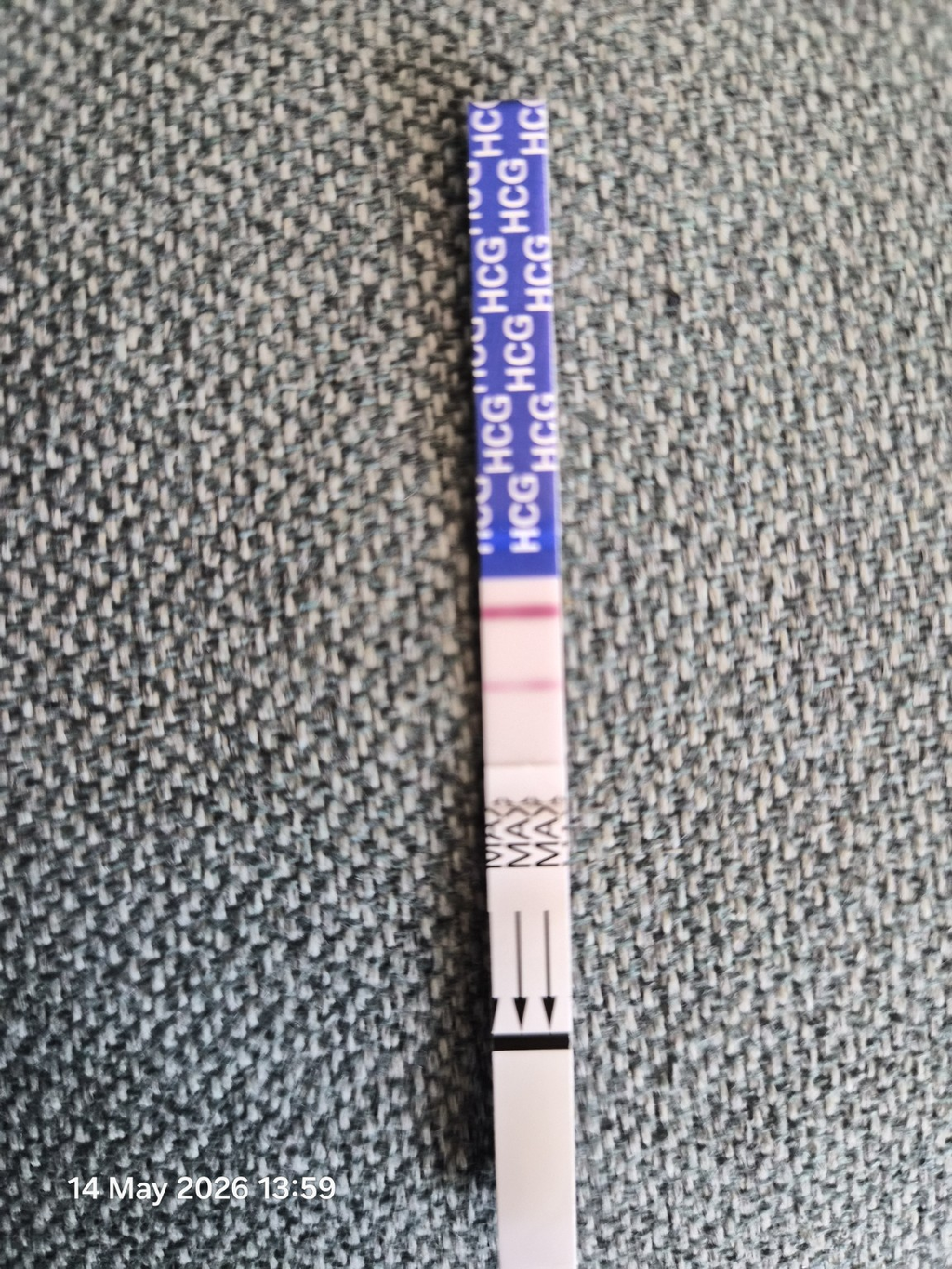
Ovulation doesn't happen on the same day each month—especially when under stress or after illness. Learning your fertile window (5–6 days ending in ovulation) is essential.
Track using:
- Ovulation predictor kits (OPKs)
- Basal body temperature (BBT)
- Cervical mucus changes
- Fertility tracking apps
📌 Supportive reads:
9. Know What’s Normal—and When to Ask for Help
Some symptoms after insemination or sex (like cramping, spotting, or leaking) are completely normal. But it’s important to know when to monitor, when to test, and when to speak to a professional.
Final Thoughts on Boosting Fertility Naturally
Fertility is influenced by so many small daily actions—what you eat, how you sleep, the way you move, and even the products you use. These aren’t instant fixes, but they do have cumulative power.

Start slowly. Choose one or two areas to work on at a time. What you do today can help create the best possible environment for conception in the months ahead.
Frequently Asked Questions
What are natural ways to boost fertility?
Natural ways to boost fertility include maintaining a healthy weight, eating a nutrient-rich diet, exercising moderately, managing stress, sleeping well, and avoiding smoking or excessive alcohol.
Can lifestyle changes improve fertility?
Yes. Lifestyle factors influence hormone balance, ovulation, sperm production, and overall reproductive health.
How long do lifestyle changes take to affect fertility?
Eggs take around 90 days to mature, and sperm production also takes about 70–90 days, so positive lifestyle changes can take a few months to influence fertility.
Can diet really improve fertility?
A healthy diet can support hormone balance, egg quality, and sperm production. Nutrient-rich foods such as leafy greens, whole grains, oily fish, and healthy fats may help create a supportive environment for conception.
More Fertility Guides
Here are 3 of our most-read guides to help you build confidence and clarity on your TTC journey: