

Short answer: outside the body, sperm only survive while semen stays warm and wet. In open air it dries out, and drying harms sperm. For home insemination, we follow the WHO's lab rule (2021): use a fresh sample within about 30 minutes, no more than an hour, kept between 20 and 37 °C. Well established Most "hours on a towel" or "hot tub" figures online have no human study behind them.
I'll be honest, I assumed someone had measured all this. Mostly, nobody has. This applies to couples, same-sex couples, solo parents and donor conception. Pre-cum has its own guide.
Myth or fact? Tap to find out
Tap Myth or Fact, or swipe the card left for Myth and right for Fact. The card flips to show the verdict and how strong the evidence is.
Loading the game...
Myth or fact? Tap to find out
Tap Myth or Fact, or swipe the card left for Myth and right for Fact. The card flips to show the verdict and how strong the evidence is.
1. Sperm die the instant they hit the air. Myth: MYTH. Moderate evidence. Not instantly: the WHO allows lab tests on semen in a pot for up to 60 minutes, but drying out and temperature swings damage sperm.
2. Loose sperm in a hot tub or pool can get you pregnant. Myth: MYTH. Weak evidence. Very unlikely: there's almost no research, and loose sperm in water would have to reach the vagina. Sex in the water is different and can cause pregnancy.
3. Fresh semen on fingers can get you pregnant. Fact: FACT. Moderate evidence. Rarely. The NHS says pregnancy can happen if sperm comes into contact with the vagina without penetration, but the risk is very low.
4. A sample is still fine hours later at room temperature. Myth: MYTH. Moderate evidence. The WHO's lab rule is within 30 minutes, 60 at most, as sperm left in semen lose movement. One 1982 study saw little change in lab readings over 3 hours, but pregnancies weren't tested.
5. Sperm survive fine in a home freezer. Myth: MYTH. Well established. The WHO says frozen sperm need cryoprotectants, careful cooling and warming, and storage below minus 130 °C, far colder than a home freezer. That's what clinics do.
6. Keeping the pot warm against your body helps. Fact: FACT. Moderate evidence. For a short trip only: the WHO says carry a pot going to a lab close to the body, and get it there within 30 minutes, 50 at most. It keeps the temperature safe, nothing more.
7. Saliva is a sperm-friendly lubricant. Myth: MYTH. Well established. Just 6.25% saliva cut sperm movement in a lab study (Anderson et al., 1998), and it was among the worst in another (Tomlinson et al., 2023).
8. Any lubricant is fine when you're trying to conceive. Myth: MYTH. Well established. Most ordinary lubricants slow sperm in lab tests; a sperm-safe one did much better (Mackenzie et al., 2019).
9. An ordinary condom is fine for collecting a sample. Myth: MYTH. Well established. The WHO says ordinary latex condoms contain agents that interfere with sperm movement. Use the clean collection pot.
10. Sperm can live for days on bedding, towels or toilet seats. Myth: MYTH. Not supported. We found no study that measured it, drying harms sperm, and no source shows dried sperm causing pregnancy.
A guide based on the WHO laboratory manual (2021), the NHS, the HFEA and lab studies, not medical advice. Where there is no good data, we say so.
10 Myths About Sperm Outside the Body, Checked
1. "Sperm die the instant they hit the air"
Myth, but drying out harms them. Moderate evidence The WHO manual (2021) allows lab tests up to 60 minutes, but warns that drying and temperature swings damage sperm.
2. "Loose sperm in a hot tub or pool can get you pregnant"
Myth: loose sperm in water are very unlikely to reach the vagina. Weak evidence Alberta Health Services says semen just floating in a hot tub can't get you pregnant, but we found no measurement. Sex in the water can.
3. "Fresh semen on fingers can get you pregnant"
Fact, but rarely: only fresh, wet semen going straight into the vagina. Moderate evidence On sperm reaching the vagina without penetration, the NHS says: "The risk of getting pregnant in this way is very low, but it can happen."
4. "A sample is still fine hours later at room temperature"
Myth: use a fresh sample within 30 to 60 minutes. Moderate evidence One study saw little change in lab readings over 3 hours (Mortimer et al., Archives of Andrology, 1982), but pregnancies weren't tested.
5. "Sperm survive fine in a home freezer"
Myth. Well established The WHO manual says frozen sperm need cryoprotectants, careful cooling and storage below minus 130 °C, as clinics do.
6. "Keeping the pot warm against your body helps"
Fact, for a short trip: it keeps the temperature safe, nothing more. Moderate evidence The WHO manual says a lab pot should travel close to the body and arrive within 30 minutes, 50 at most.
7. "Saliva is a sperm-friendly lubricant"
Myth: saliva slows sperm. Well established Just 6.25% saliva cut sperm movement in one lab study (Anderson et al., Human Reproduction, 1998), and it was among the worst in another (Tomlinson et al., Human Fertility, 2023).
8. "Any lubricant is fine when you're trying to conceive"
Myth: most ordinary lubricants slow sperm in lab tests. Well established A sperm-safe one did much better (Mackenzie et al., PLoS One, 2019). See our fertility lube guide.
9. "An ordinary condom is fine for collecting a sample"
Myth: use the clean collection pot. Well established The WHO manual says ordinary latex condoms contain agents that interfere with sperm movement.
10. "Sperm can live for days on bedding, towels or toilet seats"
Myth: we found no study that measured it. Not supported Drying harms sperm, and no source shows dried sperm causing pregnancy.
How Long Sperm Survive Outside the Body: The Honest Table
Firm numbers exist only for a fresh sample in a clean pot: 30 minutes ideally, 60 at most, at 20 to 37 °C.

| Place | What we know | Confidence | Source |
|---|---|---|---|
| Fresh sample in a clean pot, 20 to 37 °C | Use within 30 minutes, 60 at most | Well established | WHO 2021 |
| Fresh sample, hours later | Little change over 3 hours in one lab study; pregnancies not studied | Moderate | Mortimer 1982 |
| In an applicator, left out | No good data | None | No study found |
| Dried on skin or fabric | No good data; drying harms sperm | Weak | WHO 2021 |
| Wet on fingers, straight to the vagina | Not timed; risk "very low, but it can happen" | Moderate | NHS 2023 |
| Bath, hot tub or pool | No good data | Weak | Alberta Health Services 2022 |
| Home freezer | Fails without cryoprotectants | Well established | WHO 2021 |
| Inside the body | About 5 days | Our guide | How long sperm stay in the body |
Sources: WHO laboratory manual for the examination and processing of human semen, 6th edition (2021); Mortimer et al., Archives of Andrology (1982); NHS (2023); Alberta Health Services, Teaching Sexual Health (2022). "No good data" means we searched and found no human study.
Using a Sample at Home (What We Actually Did)
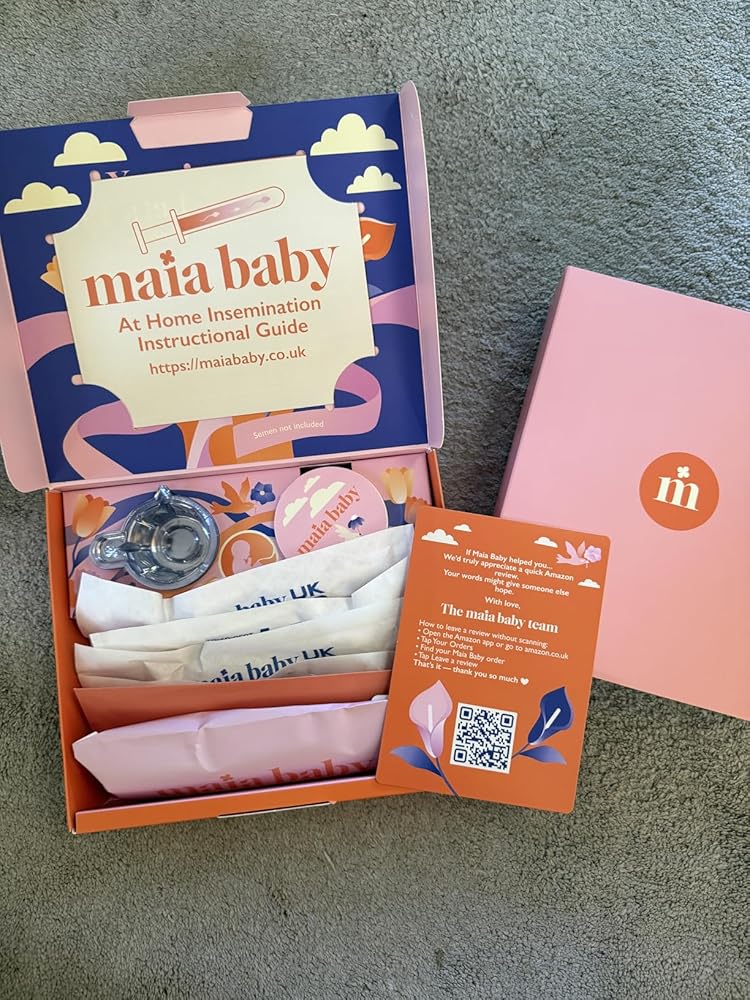
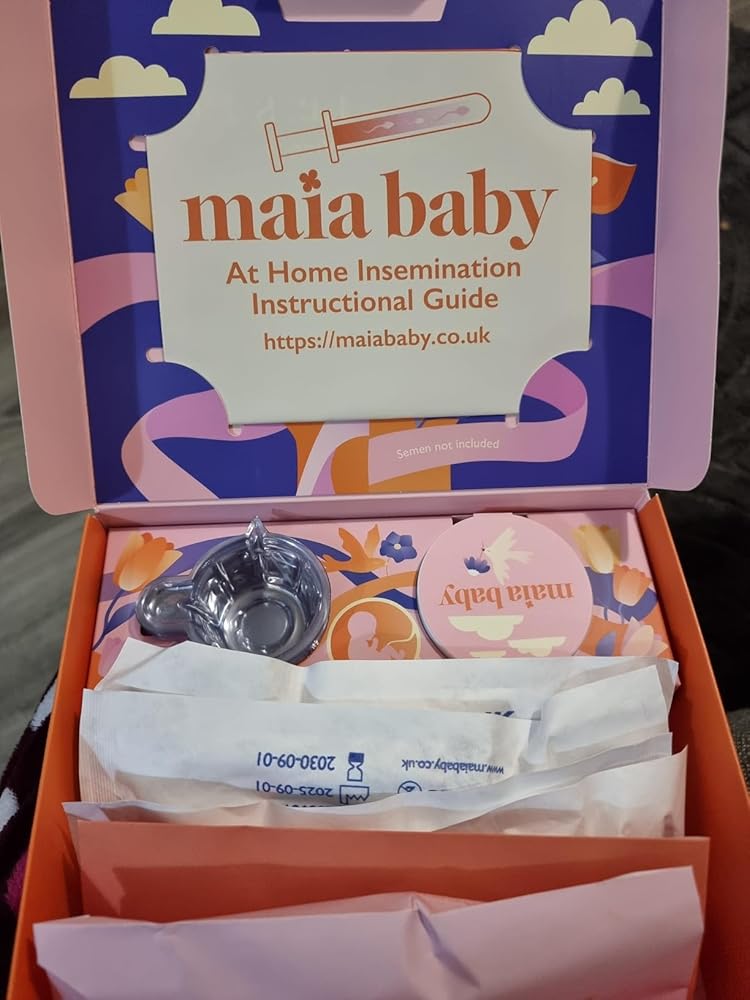
For home insemination, use a fresh sample within about 30 minutes, kept at 20 to 37 °C.
When we inseminated at home, my rule was simple: if you're going to inseminate, you've got to do it within 30 minutes, transfer from the pot. The WHO's lab rule is similar: "Ideally, investigations should commence within 30 minutes after collection, but at least within 60 minutes."
- No ordinary condom, and no lubricant unless it's sperm-safe.
- Wait a few minutes for it to thin out, as the WHO describes.
- Draw it into the applicator and release it gently into the vagina. That's intravaginal insemination (IVI): see our home insemination guide.
Using donor sperm? The HFEA strongly advises a licensed UK fertility clinic, where donors are checked for infections including HIV, hepatitis, syphilis and gonorrhoea. Strong evidence The HFEA warns unregulated donors risk infections, genetic conditions and unclear legal parenthood (sperm donor UK guide).
It wasn't about a perfect setup. It was about not letting the pot sit there.
When Should You See a GP or Fertility Clinic?
See a GP or clinic after 6 cycles without pregnancy, straight away if you're 36 or over, or if worried about infection.
See a GP if:
- No pregnancy after 6 cycles of insemination, with no known cause: NICE NG257 says you should be offered further assessment.
- You're 36 or over, or either of you has a known fertility problem: NICE NG257 says you should be offered a specialist referral straight away, without waiting 6 cycles.
- You used sperm from an unscreened donor: ask an NHS sexual health clinic about STI testing.
- You have tummy pain, a high temperature, bleeding or unusual discharge after insemination. The NHS says these can be signs of infection: ask for an urgent GP appointment or call 111, or call 999 if the pain is severe or sudden, or you feel very unwell.
How Long Can Sperm Live Outside the Body? FAQ
Can you get pregnant if sperm is on the outside?
Rarely, but yes. The NHS says pregnancy can happen without penetration if sperm touches the vagina, for example if a partner ejaculates very close to it, and calls the risk very low.
How long can sperm survive in open air?
No human study has timed it. The WHO manual (2021) says drying out harms sperm, and that a fresh sample in a clean pot is best used within 30 minutes, 60 at most.
Can sperm left out overnight still get you pregnant?
We found no evidence it can. No study shows a sample that old causing pregnancy, and the WHO's lab limit for a fresh sample is 60 minutes. Sperm already inside the body are different: our guide to how long sperm stay in the body covers that.
Keep Reading: Helpful TTC Guides
Looking for more evidence-based support while you're trying to conceive? These guides go deeper on related questions:
- How to Improve Sperm Quality Naturally (Real Results After 6 Months)
- Sperm Leakage After Insemination: Is It Normal?
- Does Lying Down After Sex Help Conception?
- Male Fertility Screening: What to Expect From a Sperm Test
- Boxers or Briefs: Does Underwear Really Affect Sperm?