

Does the sperm meets egg method work? The quick answer
The Sperm Meets Egg Method (SMEP, also called the Sperm Meets Egg Plan) is a cycle-day schedule: sex every other day, daily ovulation tests, then three days in a row after a positive. We searched PubMed, Europe PMC and ClinicalTrials.gov on 9 November 2026 and found no study of the plan itself. Its parts are sensible, and it is the plan we followed the month we finally conceived.
I'm Sarah. Matthew and I tried for about 18 months. This is our real month on the sperm meets egg method, the diary of the road before it, and what the evidence says.
What is the sperm meets egg plan, in plain English?
The Sperm Meets Egg Plan is a free schedule for timing sex and ovulation (LH) tests across your cycle. It was created by author Deanna Roy and published from 2012 as a website and a short booklet. It is not a medical guideline.
| When | What SMEP says to do | What NICE says | Evidence note |
|---|---|---|---|
| Cycle days 1 to 7 | Get tests ready. No sex is prescribed, but none is banned | Sex every 2 to 3 days (no timing advice) | No cycle-day schedule in NICE advice |
| Day 8 until a positive LH test | Sex every other day | Every 2 to 3 days "optimises the chance of pregnancy" | Every other day sits inside NICE's range |
| Day 10 onwards | One ovulation (LH) test every day | No advice on LH tests | Cochrane 2023: urine ovulation tests probably raise live birth (RR 1.36, one trial, 844 women or couples) |
| Positive test day, plus the next 2 days | Sex on all three days | No separate advice | Most conceptions come from sex in the 6 days ending on ovulation day |
| Day 3 after the positive | Skip a day | Not covered | No good data. The plan gives no reason |
| Day 4 after the positive | One more try | Not covered | A safety margin, not a proven step |
| Positive day plus 15 | Pregnancy test if no period | Not covered | Plan's own rule |
| No positive at all | Every other day until your period or day 35 | Assessment after 1 year of trying | NICE: assessment after 1 year, or 6 insemination cycles |
Sources: the plan's step-by-step page (2012); NICE NG257 (2026); Cochrane, Gibbons et al. (2023); Wilcox et al., NEJM (1995).
We followed the plan, with one change: on the key days after the positive ovulation test, we did a home insemination instead of sex. That is IVI (intravaginal insemination). NICE says people using insemination should time it around ovulation, which is exactly what the LH step is for. If you want the detail on reading the tests, our LH and hCG testing guide covers it, and our guide to the best time to get pregnant explains the fertile window SMEP is trying to hit.
Dr Natalie Crawford, a US fertility doctor, does not mention SMEP by name, but in this video she explains the 6-day fertile window and says sex every other day is "more than sufficient". From 7:36 she covers ovulation (LH) tests, and her advice after a positive is sex "that day and the next day".
What did our sperm meets egg month look like?
This calendar is reconstructed. These dates are our best estimate, worked back from our baby's birth date, not a record.
My cycle is pretty much exactly 28 days. Sometimes it comes a day early or a day late.
Our sperm meets egg month: April 2025
Reconstructed: worked back from our baby's birth date
Key
- PeriodMy period started on Thursday 3 April (day 1 of the cycle).
- SexSex every other day from day 8, as the plan says: 10, 12 and 14 April.
- LH testOvulation (LH) test every day from day 10 (12 April).
- PositivePositive ovulation test on Wednesday 16 April (day 14).
- InseminationHome insemination instead of sex on the plan's key days: 16, 17 and 18 April, then once more on 20 April.
- Rest19 April: the plan skips a day.
- Pregnancy testPregnancy test on 1 May, 15 days after the positive, if no period.
28-day cycle. Dates are our best estimate, worked back from our baby's birth date. Faded days are outside this cycle.
Our diary: about 18 months, then the month it worked
Late 2023: we start trying
From the start it was timed sex and ovulation tests, and it soon felt monotonous.
Sex on a schedule was pretty rubbish. It didn't feel sexy or romantic at all, and it led to frustration on both sides.

We tried to make it part of normal life, just a routine, but it soon got hard. I performed fine, but it stopped being fun, especially when it didn't work month after month and we had to go again. It was a really difficult time.
About January 2024: Matthew's first sperm test
His results took time to come good: they were normal by July 2024, and still normal in January 2025. He wrote up his real results.
Every month: the wait
The hardest moments were always when my period came. Sometimes it was a couple of days late, which gave me false hope and excitement. Some months I felt we'd done everything right: the timing was right, we inseminated when I was ovulating, my basal body temperature had risen, and it felt like it just had to have worked. Then my period would come, and it was gutting.
Around September 2024: the hard months
One of our WhatsApps from then just says: "Just sad that I don't know what's wrong."

It's a tough old journey, and I think we did the best we could in our situation.
IVF: one round
We had one round of IVF. When it didn't work, we weren't ready for another.
We had many embryos, and some were transferred, but none of them worked.
Back to trying at home
We kept going with a mix of sex and home insemination.
Home insemination really helped, because it took away the pressure of having to actually have sex.
For me, the pressure made sex monotonous and not enjoyable. It was a heavy weight on our shoulders, because we knew it had to work. That's where insemination came in handy: it took the pressure off. The schedule really wasn't much fun.
April 2025: the month it worked
My period came about 3 April. We followed the sperm meets egg plan, with one change. On the key days we did a home insemination instead of sex, timed to a positive ovulation test, using our own makeshift kit.
The positive test

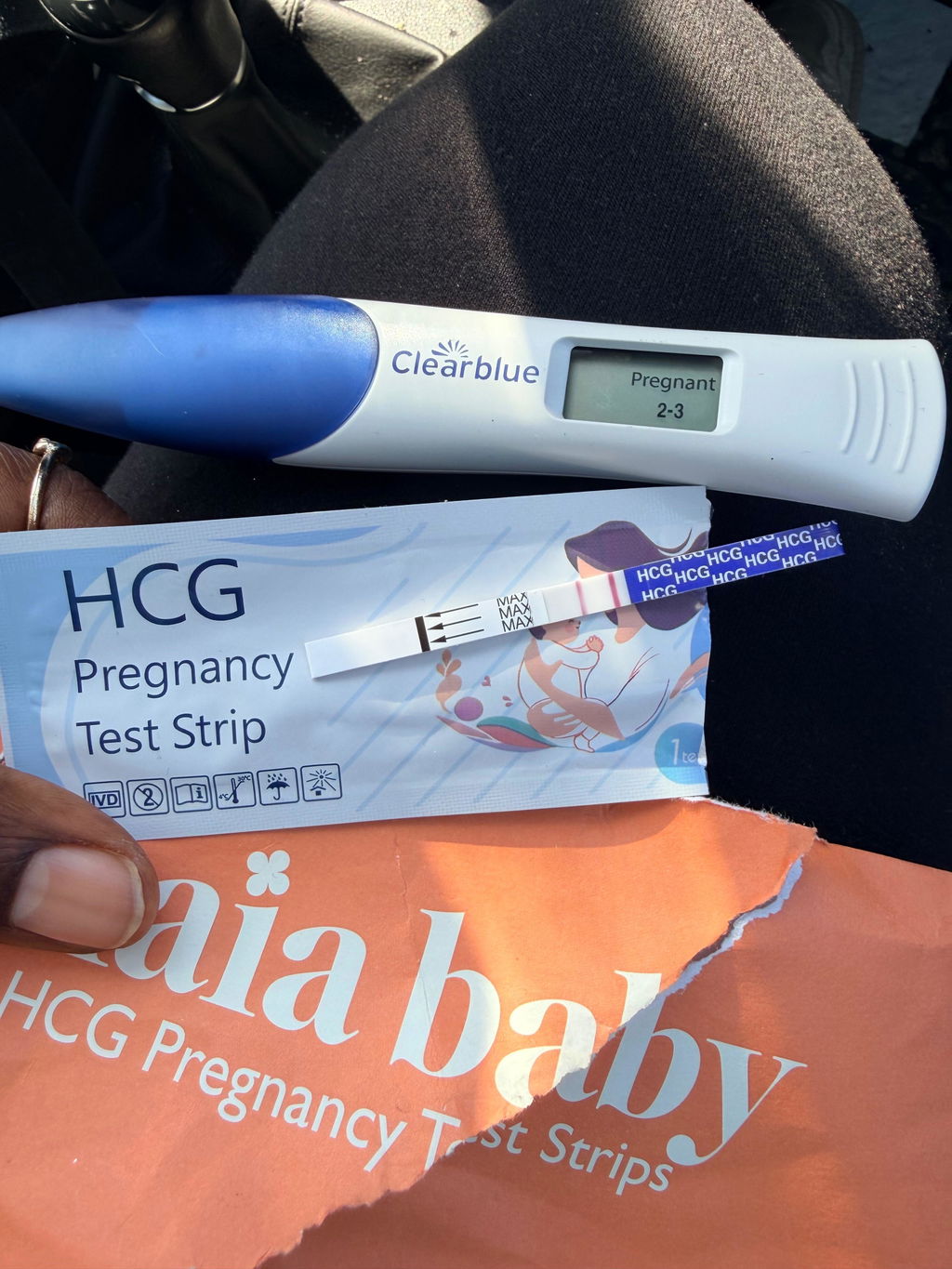
When I saw the positive test, I didn't really believe it, and I know Matthew didn't either. It was amazing, but at the same time I didn't want to believe it, just in case it didn't stick.
3 July 2025: our scan

8 January 2026: our baby is born
We timed it very well, and we're convinced that's why it worked.
👉 That is our belief, not proof. Our result is no promise for anyone else.
Does the sperm meets egg method actually work? What the evidence says
We found no study of SMEP. On 9 November 2026 we searched PubMed, Europe PMC and ClinicalTrials.gov for the plan and got zero results. So nobody can say it beats ordinary regular sex.

The plan's parts do have support:
- Sex every 2 to 3 days. NICE NG257 says "vaginal sexual intercourse every 2 to 3 days optimises the chance of pregnancy". SMEP's every other day sits inside that.
- Ovulation tests. A 2023 Cochrane review found "timed intercourse using urine ovulation tests probably improves live birth and pregnancy rates" in women under 40 trying for under a year. The live birth figure (RR 1.36) comes from one trial of 844 women or couples.
- The fertile window. In Wilcox et al. (NEJM, 1995), pregnancy came only from sex in a 6-day window ending on ovulation day. Sperm can survive up to about 5 days, which is why the days before ovulation count. Our guide on how long sperm stay in the body goes deeper.
- Pressure. A 2022 randomised trial of 450 people found no stress difference between every-other-day sex, fertile-window timing and no advice. The authors wrote: "Our data suggest that stress does not arise from feeling pressured on the fertile period and that advice on timing of intercourse might have to be personalized."
The skipped day has no evidence behind it. The plan's site does not explain it. Its claim of "a 25% chance to get pregnant each cycle" has no source either.
For context, NICE says over 80% of heterosexual couples in the general population conceive within a year if the woman is under 40 and they have regular unprotected vaginal sex. See your GP after a year of trying, or sooner if the person trying to get pregnant is 36 or over, says the NHS. If you use insemination, NICE offers assessment after 6 cycles.
One couple's result proves nothing. Ours is a story, not data.
What would we do differently?
Get tests done early, and have a plan.
If a friend were going through this, I'd tell them to get all their tests done as soon as possible. Chances are the results come back good, and that gives you hope. If a test does show a problem, you can get to work on it straight away. Have a plan of action: talk it through with your partner and make sure you're on the same page.
Next time, I'd try to take the pressure off, although that's easier said than done: more holidays, more time away, maybe even some meditation. Believing in the process is really important.
To be clear, that's about getting through it, not a way to get pregnant. NICE notes stress "is likely to reduce libido and frequency of intercourse", and it recommends offering counselling to people going through fertility problems. More in our piece on stress and trying to conceive.
Sperm meets egg method FAQ
Does the sperm meets egg method work?
Nobody knows for sure: we searched PubMed, Europe PMC and ClinicalTrials.gov on 9 November 2026 and found no study that has tested the sperm meets egg method as a package. Its building blocks are reasonable. Sex every other day sits inside NICE's advice of every 2 to 3 days, and a 2023 Cochrane review found urine ovulation tests probably improve live birth rates, though that live birth figure comes from a single trial. We conceived the month we followed it with home insemination on the key days. That is one couple, not evidence.
Why does SMEP skip a day?
The plan says to try on the day of a positive ovulation test and the next two days, skip one day, then try once more. The plan's site gives no research reason for the skipped day, and we found no study that looked at it. Treat it as part of the plan's design, not a proven rule.
How successful is the sperm meets egg plan?
We searched PubMed, Europe PMC and ClinicalTrials.gov on 9 November 2026 and found no published success rate for it. The plan's own success page is a set of testimonials, and testimonials are not evidence. Its line that you have "a 25% chance to get pregnant each cycle" has no source given. For context, NICE says over 80% of heterosexual couples in the general population conceive within a year if the woman is under 40 and they have regular unprotected vaginal sex.
Can you tell if sperm meets egg?
No. There is no way to feel or see fertilisation at home. The first real sign is a late period or a positive pregnancy test. The sperm meets egg plan says to take a test 15 days after your positive ovulation test if your period has not arrived. I'd add from experience: a late period can give you false hope, so a test is the only way to know.
Does timed sex add pressure?
For us, yes. Sex on a schedule felt monotonous and not romantic, and home insemination took the pressure off. The research is thinner than you'd think. A 2022 trial of 450 people found no stress difference between every-other-day sex, fertile-window timing and no advice. A Cochrane review could not tell whether ovulation tests change stress. If the schedule is wearing you down, it is fine to use the plan loosely. NICE's core advice is simply sex every 2 to 3 days.
Why we made what we wished we'd had
The month we conceived, we used our own makeshift kit.
We had some experience of home insemination with a makeshift kit we made ourselves, and we wished something like what we've now created had already been there.
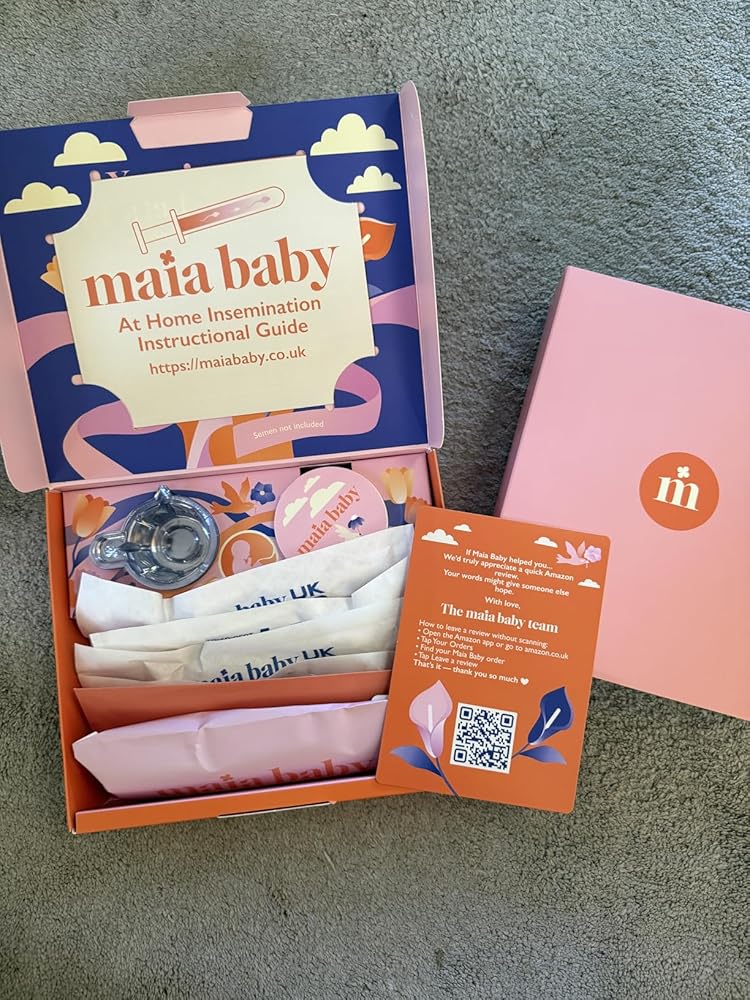
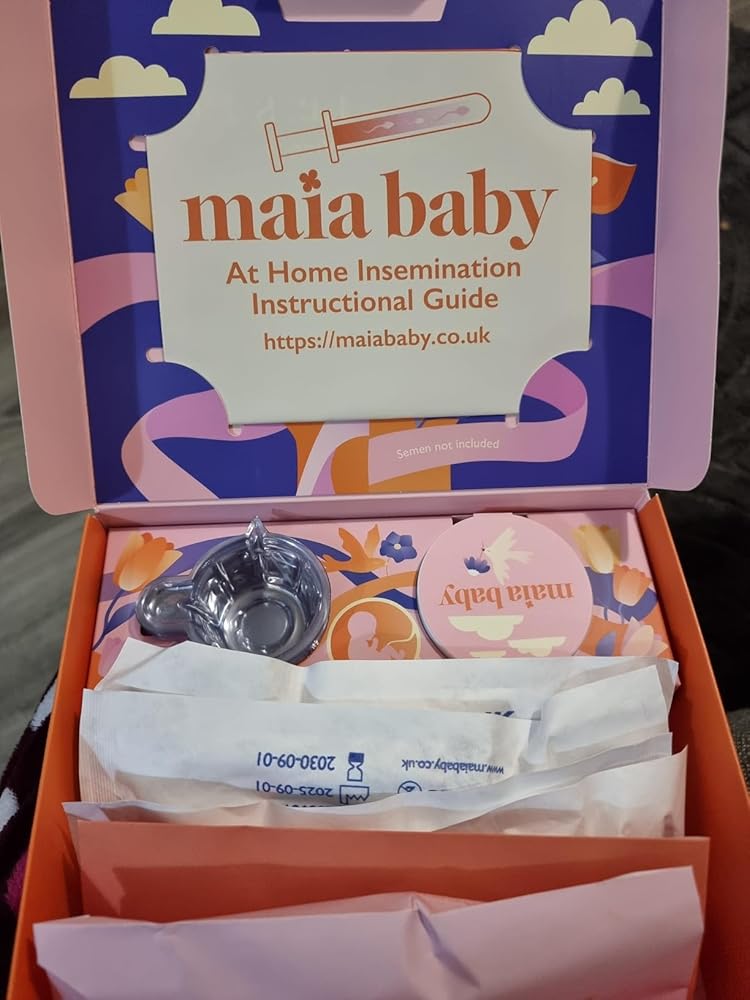
So we made it. Our home insemination kit is MHRA-registered and UKCA-marked, with an applicator designed for IVI at home. It won't fix timing, and it can't promise a pregnancy. It's simply the thing we wanted on those key days.